
You can boost focus, memory, and long-term cognitive resilience by choosing the right foods and nutrients. Eating omega-3-rich fish, colorful fruits and vegetables, nuts, whole grains, and fermented foods supports brain function and helps protect against age-related decline.
This post explains which foods matter, what nutrients to prioritize, and practical ways to make brain-friendly choices part of daily life. It gives science-based guidance so you can start improving mental clarity and long-term cognitive health today.
Essential Foods and Nutrients for Brain Health
The list below highlights specific foods and nutrients with evidence of benefit: omega-3–rich fatty fish, antioxidant-dense berries, vitamin- and phytonutrient-rich leafy and cruciferous vegetables, and nuts/seeds that supply healthy fats and micronutrients.
Fatty Fish and Omega-3 Fatty Acids
Fatty fish such as salmon, sardines, trout, mackerel, and tuna supply preformed EPA and DHA, the omega-3 fatty acids most directly linked to brain structure and function. DHA is a major structural component of neuronal membranes, and higher intake correlates with better cognitive function and slower age-related decline in some studies.
Aim for two servings (about 8–12 ounces) weekly to obtain clinically relevant EPA/DHA amounts. For plant-based eaters, include ALA sources like chia seeds and walnuts; the body converts ALA to EPA/DHA inefficiently, so consider algae-based DHA supplements when necessary. Omega-3s also help reduce neuroinflammation and support synaptic plasticity, which underpins learning and memory.
Berries and Antioxidants
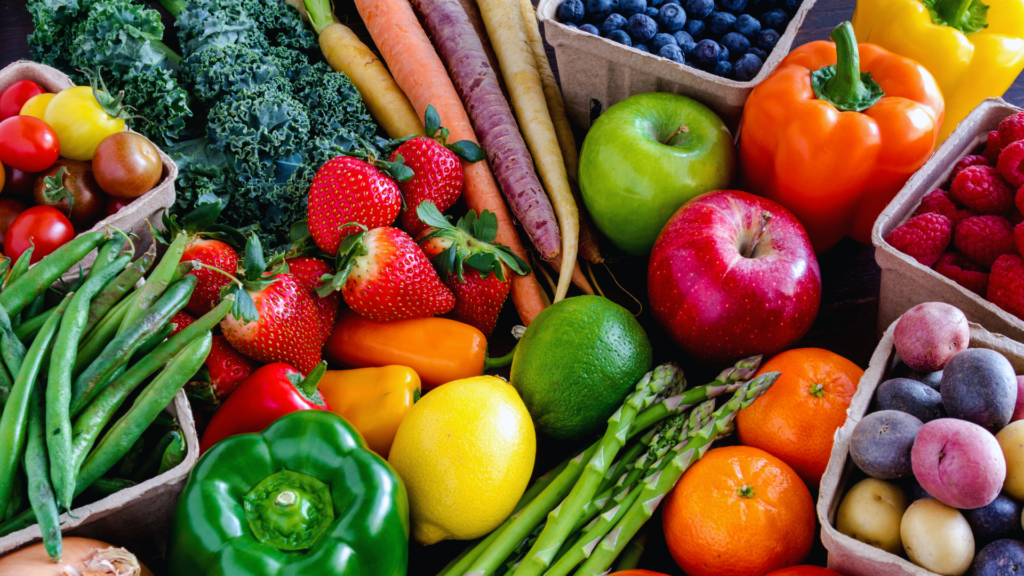
Berries—especially blueberries and wild blueberries—contain high levels of anthocyanins and flavonoids that cross the blood–brain barrier and localize in brain regions tied to memory. Regular berry intake associates with improved episodic memory and slowed cognitive decline in observational and randomized trials.
Polyphenols in berries act as antioxidants and modulate cell-signaling pathways involved in neuroprotection and inflammation reduction. Eating a cup of mixed berries several times per week provides measurable polyphenol and anthocyanin yields. Frozen berries retain most antioxidants and offer a convenient, cost-effective option.
Leafy Greens and Cruciferous Vegetables
Dark leafy greens like spinach, kale, and collards supply lutein, vitamin K, folate, and fiber—nutrients linked to better cognitive performance. Cruciferous vegetables such as broccoli, cauliflower, and Brussels sprouts provide sulforaphane, a compound associated with antioxidant enzyme induction and protection against oxidative stress.
Consuming a variety of greens and crucifers multiple times per week supports vascular health and reduces oxidative damage in brain tissue. Vitamin K relates to sphingolipid metabolism, important for neuronal membranes, while folate contributes to homocysteine regulation, a factor in cognitive decline risk. Light cooking improves the bioavailability of some nutrients while preserving fiber.
Nuts, Seeds, and Healthy Fats
Nuts and seeds supply a mix of monounsaturated fats, polyunsaturated fats, protein, fiber, and micronutrients. Walnuts provide alpha-linolenic acid (ALA) and polyphenols; pistachios and almonds offer monounsaturated fats and vitamin E; pumpkin seeds and chia seeds contribute magnesium, zinc, and additional ALA. These nutrients support membrane integrity, neurotransmitter synthesis, and antioxidant defenses.
A daily handful (about 1 ounce) of mixed nuts or 1–2 tablespoons of seeds helps maintain favorable lipid profiles and provides sustained energy for cognition. Avocados deliver monounsaturated fats and lutein with high bioavailability for carotenoid absorption. Prioritize whole nuts and seeds over salted or heavily processed forms to retain brain benefits.
Supporting Brain Function and Long-Term Cognitive Health
A mix of whole grains, legumes, eggs, dark chocolate, and specific beverages supplies steady glucose, key micronutrients, antioxidants, and mild stimulants that support attention, memory retention, and reduced oxidative stress. Practical choices — like quinoa, eggs, dark chocolate with high cacao, and green tea — deliver nutrients linked to better brain aging outcomes.
Whole Grains and Legumes
Whole grains such as quinoa, barley, and brown rice provide slow-release glucose and a spectrum of B vitamins that help maintain consistent energy for the brain. B vitamins — particularly B6, B9 (folate), and B12 — help metabolize homocysteine; keeping homocysteine low is associated with a lower risk of age-related cognitive decline.
Beans, lentils, and soy (including tofu) add plant protein, fiber, and additional B vitamins, which support sustained attention and reduce glycemic spikes that can impair concentration. Legumes also supply magnesium and antioxidants that moderate inflammation. Practical choices: swap refined rice for brown rice or quinoa, and include a serving of beans or tofu 3–4 times weekly.
Eggs and Choline
Eggs rank high for choline, a precursor to acetylcholine, which supports memory formation and neuronal signaling. One large egg provides about 147 mg choline; typical recommendations for adults aim for 425–550 mg/day depending on sex and life stage, so eggs meaningfully contribute to that target.
Eggs also supply B12 and folate, which together help regulate homocysteine and support long-term cognitive health. For memory retention and attention, combining eggs with whole-grain toast or a vegetable side adds fiber and antioxidant vitamins such as vitamin C from citrus, improving nutrient absorption and overall meal balance.
Dark Chocolate and Polyphenols
Dark chocolate (70% cacao or higher) contains polyphenols like catechin and epicatechin plus vitamin E–related antioxidant activity that reduces oxidative stress in the brain. These flavanols improve endothelial function and cerebral blood flow, which can transiently enhance attention and processing speed.
Choose small daily portions (around 20–30 g) to gain benefits without excess calories. Look for minimal added sugar and higher cacao percentages. Dark chocolate complements a Mediterranean-style pattern that includes extra virgin olive oil (EVOO) and citrus fruits, increasing antioxidant variety and supporting brain aging risk reduction.
Beverages for Brain Support
Coffee supplies caffeine that improves alertness and short-term attention; habitual moderate intake (about 2–3 cups/day) correlates with lower rates of some neurodegenerative outcomes in observational studies. Green tea combines modest caffeine with L-theanine, which together support calm focus and may increase serotonin and other neurotransmitter balance.
Tea and coffee also deliver polyphenols that reduce oxidative stress. Orange and grapefruit provide vitamin C, which protects against oxidative damage and supports vascular health. For anti-inflammatory effects, include EVOO in the diet and consider turmeric/curcumin in cooking; curcumin shows anti-inflammatory properties that may help reduce chronic neuroinflammation linked to dementia risk.