
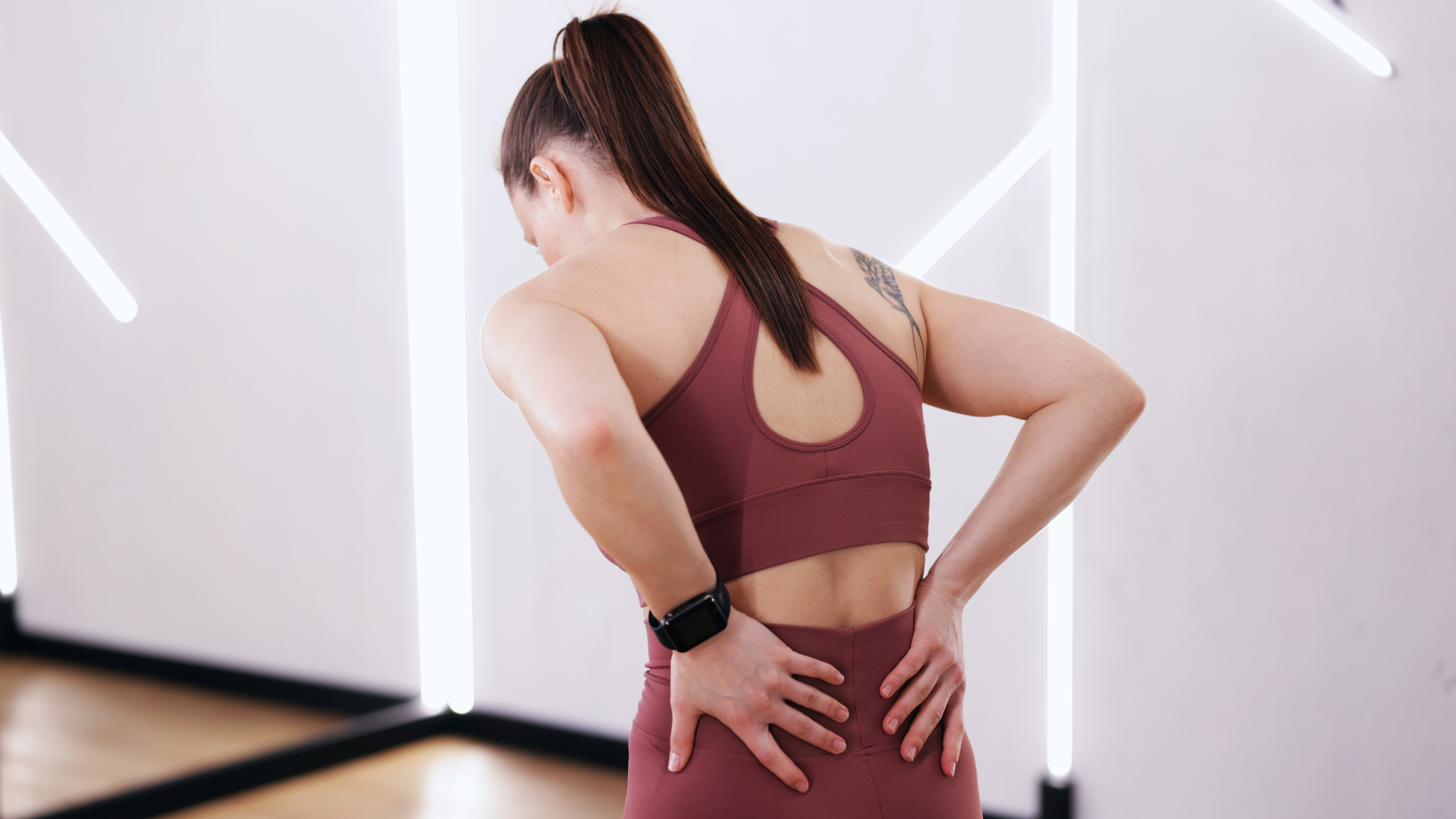
They should start every session with a clear plan that includes gradual warm-ups, mobility work, and loads scaled to current fitness—this reduces strain and limits common exercise injuries. Follow progressive overload, prioritize technique over ego, and build rest and recovery into the routine to prevent workout injuries effectively.
If a movement causes sharp pain or altered mechanics, they must stop, assess form, and modify the exercise rather than push through discomfort. The article breaks down practical strategies for training safely and shows how to spot and prevent the most common workout injuries so they can keep making progress without setbacks.
Fundamental Strategies to Avoid Workout Injuries
Focus on preparation, technique, sensible progression, rest, and using the right equipment. These actions reduce strain, prevent overuse, and keep joints and muscles functioning within safe ranges.
Warm Up and Prepare Properly
They should start with a 5–10 minute dynamic warm-up that raises heart rate and body temperature. Include exercises like leg swings, walking lunges, arm circles, and high knees to increase blood flow and activate muscle groups used in the session.
Use mobility exercises targeting joints through their full range of motion—ankle circles, hip openers, and thoracic rotations—before loading movements. Avoid long static stretches before heavy lifts; save static flexibility work for the cool down to preserve force production.
Progress intensity gradually within the warm-up: begin with bodyweight movement, add light resistance, then perform 1–2 specific build-up sets at 50–70% of working weight. That approach primes neuromuscular coordination and reduces injury risk.
Master Good Form and Technique
They must prioritize proper form on every rep rather than chasing heavier loads. Learn key movement cues: neutral spine during squats, knees tracking over toes, shoulders down and back for presses, and controlled hip hinge on deadlifts.
Work with a personal trainer or experienced coach for at least a few sessions to get individualized feedback and corrections. Video-recording sets help identify drift in technique that causes repetitive stress.
Use lighter sets to rehearse skill under fatigue and maintain tempo—slow eccentric phases reduce joint shear. If pain appears as sharp or localized, stop, reassess the pattern, and modify the exercise or load.
Listen to Your Body and Recognize Warning Signs
They should distinguish normal discomfort from warning signs like sharp pain, joint locking, sudden swelling, or numbness. Those signals often indicate tissue overload or nerve involvement and warrant immediate rest or medical evaluation.
Track symptoms across workouts: increasing soreness in the same spot, reduced range of motion, or persistent stiffness are early markers of overuse injuries. Adjust volume, frequency, or exercise selection when these patterns emerge.
Prioritize sleep, nutrition, and hydration to support tissue repair. When in doubt, reduce intensity that day or substitute low-impact options like cycling or swimming to maintain fitness while avoiding further harm.
Implement Progressive Overload and Allow Rest Days
They must apply gradual progression: increase weight, reps, or volume by about 5–10% per week, or follow microloading increments for small lifts. Sudden jumps in load or frequency cause microtrauma accumulation and common overuse injuries.
Schedule at least one full rest day per week, and rotate high-intensity sessions with low-impact or mobility-focused days. Use active recovery—walking, gentle cycling, or targeted mobility work—to promote blood flow without imposing heavy stress.
Monitor total weekly load across modalities (running, strength, sport) rather than treating each session independently. Plan deload weeks every 4–8 weeks to let connective tissues recover and prevent chronic fatigue.
Choose and Use the Right Gear
They should wear proper footwear specific to the activity—running shoes with adequate cushioning for road runs, lateral-stability shoes for court sports, and flat, firm-soled shoes for heavy lifts. Replace running shoes every 300–500 miles.
Use protective equipment where appropriate: helmets for cycling, shin guards for soccer, and wrist guards for skateboarding. Ensure bike helmets fit snugly and sit level, and that pads cover vulnerable areas without restricting movement.
Select supportive but non-restrictive clothing, and use braces or tape only as short-term aids while addressing underlying mechanics. Regularly inspect equipment for wear and replace damaged items to avoid preventable accidents.
Identifying and Preventing Common Workout Injuries
This section pinpoints frequent causes and practical steps to limit harm: how to spot overuse versus sudden injuries, safeguard knees, shoulders, ankles, and back, and apply recovery and long-term prevention tactics.
Recognize Overuse and Acute Injuries
They should distinguish overuse injuries from acute events by timing and symptoms. Overuse injuries—tendonitis, shin splints, stress fractures, and chronic knee pain—build gradually with rising volume or repetitive movement; symptoms include dull ache, morning stiffness, and worsening pain during activity.
Acute injuries—muscle strains, sprains, and ankle sprains—occur with a specific incident, producing sharp pain, swelling, bruising, or loss of function. Track patterns: pain that improves with rest likely signals overuse; sudden loss of strength or joint instability points to acute damage.
Action steps: reduce training load by 20–30% when early overuse signs appear, cross-train with low-impact cardio (swimming, cycling), and avoid exercises that reproduce sharp pain. For acute injuries, apply the RICE method (rest, ice, compression, elevation) in the first 48–72 hours and seek assessment for inability to bear weight or obvious deformity.
Understand and Prevent Joint and Muscle-Specific Injuries
Target common gym injuries with movement-specific fixes. For knee injuries and knee pain, strengthen quadriceps and hip abductors, train single-leg control (step-ups, lunges with proper knee tracking), and avoid deep squats beyond a comfortable range. Use proper footwear and vary the surface and load to reduce stress fractures and shin splints.
For shoulder injuries and shoulder tendonitis, emphasize scapular stabilization, rotator cuff eccentric work, and limit overhead loading if pain occurs. Perform controlled band pull-aparts, face pulls, and slow external-rotation exercises.
For lower back pain, prioritize hip-hinge mechanics (deadlifts, kettlebell swings with neutral spine), core anti-extension drills (planks, bird-dogs), and avoid repetitive loaded flexion without progression. Ankle sprain prevention relies on proprioception—single-leg balance, wobble-board drills, and progressive plyometrics to restore agility.
Recovery Practices and When to Seek Help
Early recovery choices determine outcomes. Use RICE for the first 48–72 hours after sprains or strains; ice 15–20 minutes every 2–3 hours, compress with a snug wrap, elevate above heart level, and rest from aggravating activities. Add gentle range-of-motion and mobility within pain-free limits after 48–72 hours to prevent stiffness.
Introduce progressive loading: isometrics, then concentric, then eccentric exercises over 2–6 weeks, depending on severity. Seek professional care when severe swelling, numbness, inability to bear weight, fever, or pain that worsens despite 7–10 days of conservative care occur. A physical therapist or sports medicine clinician can prescribe targeted rehab, imaging, or return-to-sport criteria.
Build Long-Term Injury Prevention Habits
They must adopt structured habits to reduce recurrence. Implement a weekly plan with 2–3 strength sessions targeting the posterior chain, hips, and rotator cuff, plus 2 cardio sessions that include heart-health work (intervals or moderate continuous training). Include mobility and prehab: dynamic warm-ups, activation drills (glute bridges, banded walks), and movement screens every 4–6 weeks.
Progress training load using the 10% rule at most, rotate high-impact days with low-impact sessions, and schedule at least one full rest day per week. Track pain and function with a simple diary: note exercises, load, pain level (0–10), and recovery quality to spot trends early. Use proper technique, incremental progression, and consistent recovery to prevent the most common workout injuries.