Category: My Blog

  • 8 Facts About OCD You Probably Didn’t Know

    8 Facts About OCD You Probably Didn’t Know

    OCD is a mental disorder that affects approximately 1 in 25 adults in the United States, according to the National Institute of Mental Health. Sufferers experience intrusive, unwanted thoughts and images that they cannot control. In this blog post, we’ll explore some facts about OCD you may not have known.

    1. A Family History of OCD can Increase Your Risk of Developing the Disorder

    OCD is a mental disorder that primarily affects the brain and can cause problems with daily life. While there is no known cause, experts think that genetics and environment may play a role in developing OCD.

    If you are worried about whether you might have OCD, it’s important to talk to your doctor. There is no easy test for diagnosing OCD, so your doctor will likely ask you about your symptoms and how they impact your life.

    2. OCD Symptoms Usually Appears During Teenage Years

    OCD is a mental illness that affects the way a person thinks, feels, and behaves. It’s most commonly diagnosed in adults, but it can develop at any age. The symptoms typically appear during teenage years.

    People with OCD often have problems with obsessive thoughts or images that won’t go away. They may be constantly worried about dirt, germs, or some other type of contamination. They may need to check and recheck everything they do or say to make sure they’re not doing anything wrong. Or they may have repetitive rituals, such as counting or checking the same thing multiple times.

    OCD can cause enormous stress for people who have it. It can also lead to problems at school or work because someone with OCD can’t stop obsessing about what others might think of them. If left untreated, OCD can significantly impair a person’s ability to function in life.

    3. Fear of Dirt can be an OCD Symptom in Children

    One of the most common symptoms is an excessive fear of dirt or germs. This fear can be so disabling that it can lead to significant impairments in daily life.

    While it’s not clear why some people have this particular fear, there are several theories. Some believe that the disgust we feel when we see dirt or filth is actually a survival mechanism. It’s something that helps us avoid potential dangers and obstacles, like poisonous plants or deadly snakes.

    Others think that the fear may be related to our feelings of vulnerability. When we’re around dirt or germs, we may feel like they could contaminate us in some way. This could lead to anxiety and feeling unsafe.

    Regardless of why it exists, OCD can cause great distress for those who suffer from it. If you’re worried about your child suffering from OCD, talk to him or her about it. It may help to ease their fears and improve their overall quality of life.

    4. OCD can Rarely Develop in Children After Having a Strep Infection

    OCD rarely develops in children after having a strep infection. In fact, only about 1 percent of children with OCD develop the disorder after getting strep throat.

    PANDAS, or pediatric autoimmune neuropsychiatric disorders associated with streptococcal infections, are conditions when a kid experiences abrupt onset OCD symptoms following a case of strep throat or scarlet fever.

    5. OCD can Only be Diagnosed by a Trained Professional

    OCD can only be diagnosed by a trained professional. These experts search for indications of obsessions and compulsions as well as the effects of these ideas and behaviors on the person’s life. While the disorder can be treated with medication and/or therapy, it is generally only detected after years of severe symptoms.

    6. First-Line Treatments for OCD are Therapy and Medication

    The most common first-line treatments for OCD are therapy and medication. Therapy can help people learn how to identify and change their obsessions and compulsions, which can lead to greater overall satisfaction with life.

    For instance, Cognitive-Behavioral Therapy (CBT) is considered a standard treatment for OCD. This particular method involves exposing the client gradually to their obsessive thoughts or feared situations while preventing them from engaging in compulsive behaviours. Additionally, the therapy may include incorporating mindfulness techniques that can help clients develop greater awareness and acceptance of their OCD. That said, a person seeking counselling and therapy for themselves or a family member for treating obsessive compulsive disorder, might want to get a consultation from Upper East Side Psychology or another one. This might help the individual unwind more details linked to their symptoms and triggers, which in turn eases the process of consciousness and self-reflection. Therefore, therapy is not merely a leap of faith, but rather an evidence-based and highly effective strategy for treating OCD, comparable to the effectiveness of medication.

    Medication also has a range of benefits, including relieving symptoms of OCD, improving quality of life, decreasing anxiety and depression, and preventing relapse. There are several different types of medications available for treating OCD, but the most effective ones typically require ongoing treatment.

    7. Some People Diagnosed with OCD Also Have ADHD and Depression

    Some individuals diagnosed with OCD may also have co-occurring conditions such as ADHD and depression. These overlapping conditions can have symptoms such as persistent inattention, hyperactivity, or impulsivity, which may interfere with daily life and make it challenging for individuals with OCD to focus, remain calm, or function effectively. Additionally, OCD can cause feelings of anxiety, stress, and being overwhelmed, and may contribute to difficulties in managing finances or coping with stress at home.

    Moreover, early diagnosis and carefully guided treatment for both OCD and ADHD are crucial for improving daily functioning and overall quality of life. In such cases, consulting a healthcare professional is essential. Professional online medication services, such as iDoses, can provide support through appropriate medication management, behavioral therapy, and structured treatment plans tailored to individuals dealing with overlapping conditions.

    8. OCD is Considered a Chronic Condition

    OCD is considered a chronic condition. Symptoms typically last for more than six months but can persist for years. OCD is characterized by recurrent, intrusive thoughts or images that cause significant distress or interfere with daily life. The thoughts or images may be related to certain situations or objects, and they may vary in intensity from moment to moment. People with OCD often attempt to avoid or neutralize the thoughts or images, which can lead to significant problems in everyday life.

    There is no one-size-fits-all approach to managing OCD, but there are several effective treatments available. These treatments often include medication, cognitive-behavioral therapy (CBT), and group therapy. CBT focuses on changing the way people think about their symptoms, while group therapy helps people share their experiences and learn from others who have experience with OCD. Medications, such as Paroxetine (Paxil), are also commonly prescribed and can be effective in reducing the intensity of symptoms by influencing brain chemistry.

    However, it’s important to be aware that long-term use of these medications can sometimes lead to dependency. If a person wishes to discontinue their medication or experiences withdrawal effects, seeking the guidance of a mental health professional is crucial. Facilities like the Alternative to Meds Center, known for its Sedona rehab programs, specialize in tapering off medications safely, managing medication withdrawal, and exploring alternative treatments. Most mental health centers across the United States offer resources and support to help individuals navigate these challenges and achieve a balanced approach to their mental health care. These centers tend to focus on holistic approaches to support individuals in their journey towards medication-free recovery, particularly from antidepressants, antipsychotics, and benzodiazepines.

    Understanding OCD requires recognizing that it’s more than just a quirk or a habit. It’s a complex mental health condition that affects millions in profound ways. By uncovering lesser-known facts about OCD, we gain a deeper appreciation for the challenges faced by those who live with it. Greater awareness and empathy can lead to more effective support and treatment, ultimately fostering a more inclusive and understanding society. Let’s continue to educate ourselves, challenge misconceptions, and advocate for those affected, ensuring that everyone has the tools and compassion they need to manage and overcome this condition.

  • Understanding the Risks and Benefits of Prescription Drugs

    Understanding the Risks and Benefits of Prescription Drugs

    Prescription drugs are everywhere, and it’s essential to understand the risks and benefits they can have on our health. From medication that helps with pain relief to treatments for diseases and injuries, there are myriad ways prescription drugs can help us.

    But there are also potential side effects that need to be taken into consideration. This blog post will explore the various types of prescription drugs, their uses, and their associated risks and benefits.

    Types of Prescription Drugs and Their Uses

    There are four main types of prescription drugs: antibiotics, antidepressants, anti-anxiety medications, and painkillers. Each type of drug has its risks and benefits, so it’s essential to understand how each one works before taking them.

    • Antibiotics are used to treat infections caused by bacteria. They can be taken orally or injected, and they work by killing the bacteria or preventing them from reproducing. Common side effects of antibiotics include diarrhea, nausea, and vomiting. Antibiotics can also cause allergic reactions in some people.
    • Antidepressants treat depression, anxiety, and other mental health disorders. They work by affecting the chemicals in the brain that regulate mood. Common side effects of antidepressants include weight gain, sexual dysfunction, and headaches. Antidepressants can also increase the risk of suicidal thoughts in some people.
    • Anti-anxiety medications are used to treat anxiety and panic disorders. They affect the chemicals in the brain that regulate mood and anxiety levels. Common side effects of anti-anxiety medications include drowsiness, dizziness, and dry mouth. Anti-anxiety medications can also increase the risk of addiction in some people.
    • Painkillers are used to relieve pain from injuries or chronic conditions like arthritis. They work by blocking pain signals from reaching the brain. Common side effects of painkillers include constipation, drowsiness, and dizziness. Painkillers can also be addictive and lead to overdoses if taken in large doses.

    Benefits of Taking Prescription Drugs

    There are many benefits to taking prescription drugs as prescribed by a doctor. They can help treat a wide variety of health conditions and improve the quality of life for many people. To ensure you are using the right medications and treatment plans for your specific needs, it’s important to consult healthcare professionals. For more information, visit the next pain care official website. Regular check-ups and follow-up appointments with your healthcare provider are also essential to track progress and make any necessary adjustments to your treatment plan.

    That being said, here are some expected benefits of taking prescription drugs:

    Relief from symptoms

    Prescription medications can provide relief from the symptoms of a wide variety of health conditions. This can allow people to feel better and live more comfortable lives.

    Improved quality of life

    In many cases, taking prescription drugs can improve a person’s overall quality of life. This can include increased energy levels, mood improvement, and mental clarity.

    Increased lifespan

    Sometimes, prescription medication can prolong a person’s life expectancy. This is especially true for conditions that are chronic or life-threatening.

    Improved function

    Many prescription drugs can improve a person’s ability to function in daily activities. This can make working, taking care of household responsibilities, and enjoying leisure activities more manageable.

    Risks of Taking Prescription Drugs

    There are both risks and benefits to taking prescription drugs. It’s essential to understand both before deciding whether or not to take a particular medication.

    The risks of taking prescription drugs can include the following:

    Allergic reactions

    Some people may be allergic to the active ingredients in certain medications. This can cause potentially serious side effects, including difficulty breathing, swelling of the face or throat, and hives. If you experience any of these symptoms after taking a medication, seek medical attention immediately.

    Drug interactions

    Another potential risk of taking prescription drugs is that they may interact with other medications we’re taking and certain foods or drinks. This can cause dangerous side effects or make the pills less effective. Be sure to talk to a doctor or pharmacist about potential drug interactions before starting any new medication.

    Dependence

    In some cases, people may develop a dependence on prescription drugs, particularly those taken for pain relief or to treat anxiety or other mental health conditions. This means they may feel like they need to keep taking the medication to function normally.

    Despite these risks, there are also many benefits to taking prescription drugs when necessary. In many cases, the benefits outweigh the risks and allow people to live healthier, more productive lives.

    How to Reduce the Risks of Taking Prescription Drugs

    We can do a few things to help reduce the risks involved in taking prescription drugs. First, ensure we understand any medication’s potential side effects. If we have any questions, ask a doctor or pharmacist.

    Second, take medications as directed. Do not skip doses or change the dosage without talking to a healthcare provider. Third, tell the doctor about other medicines, including over-the-counter drugs and supplements. This will help avoid potential drug interactions.

    Finally, stay alert for signs of possible medication problems, such as changes in how we feel or unusual side effects. If we experience anything out of the ordinary, be sure to contact a doctor right away.

    However, while prescription drugs can be effective, they can lead to addiction. For instance, Adderall, a commonly prescribed medication for ADHD, can be highly addictive if not used as directed. In this situation, exploring alternative treatment options such as ibogaine, can be beneficial. For those who might want to approach this treatment option, consider looking into costs of treatment by searching online “ibogaine treatment centers mexico cost” or for other locations that provide the option. Moreover, consider conducting research and consulting with healthcare professionals to ensure safety and efficacy.

    Similarly, anti-anxiety medicines can cause addiction if you use them for a long time. In such a situation, you may turn to other effective ways to treat stress. For instance, practising meditation can calm down the mind. Likewise, you might experience an enhanced mood by exercising regularly. You can also try aromatherapy or a swedish massage in Fuquay Varina, NC or other locations that can help you in alleviating stress and easing anxiety symptoms.

    Medicating Responsibly is the Right Prescription for a Healthy Life

    Prescription drugs can be a valuable tool in maintaining and improving our health. Still, it is crucial to understand the risks before taking any medication. With knowledge of the potential risks, we can make an informed decision about whether or not prescription medications are proper for us.

    Additionally, suppose we have any questions or concerns regarding our medications. In that case, we always talk with our doctor and pharmacist to ensure that we make the best decisions regarding taking care of our health.

  • Bipolar Disorder: How To Recognize The Signs And Get Treatment

    Bipolar Disorder: How To Recognize The Signs And Get Treatment

    Mental health is an important topic to cover, and bipolar disorder is one of the most common mental illnesses in the world. In this blog post, we’re going to give you a brief overview of bipolar disorder and some of the key signs that you should look for. We’ll also provide advice on how to get treatment if you or someone you know is struggling with this condition.

    What is Bipolar Disorder?

    Bipolar disorder is a mental illness that causes unusual shifts in mood, energy, and activity. People with bipolar disorder may have periods of high energy and activity (mania) followed by periods of low energy and activity (depression). Symptoms can vary from one person to the next, so it’s important to get help if you think you might have bipolar disorder.

    There is no single cause for bipolar disorder, but it is believed to be caused by a combination of genetic and environmental factors. Some people are more likely to develop bipolar disorder if they have a family history of the disease.

    Signs and symptoms of bipolar disorder can vary depending on which phase the person is in. During mania, people may be very talkative or hyperactive, have increased sexual desires, spend a lot of money or time on frivolous activities, or avoid social contact. During depression, people may feel hopelessness, lack interest in usual activities, and become lethargic.

    If you’re concerned that you might have bipolar disorder, talk to your doctor. He or she can test for the condition using blood tests or mood scales. If you’re diagnosed with bipolar disorder, treatment will usually involve medication and therapy.

    Signs of Bipolar Disorder

    There are some general signs that someone might have bipolar disorder, but it’s important to remember that not everyone with these symptoms will actually have the condition. Some common signs of bipolar disorder include:

    • Extreme changes in mood, often from happy to sad, angry, or anxious quickly
    • A change in energy levels – being very up or down, constantly moving from one activity to another, or feeling totally exhausted
    • Trouble concentrating, remembering things, or making decisions; racing thoughts; feelings of being controlled by events or thoughts
    • Extreme changes in sleep patterns – being unable to sleep for more than a few hours at a time, staying up all night long, or having trouble falling asleep
    • Recurring thoughts or images of death, suicide, or violence
    • Acting impulsively, especially when spending money or making decisions that could be harmful to oneself or others

    If you are experiencing any of these signs and symptoms, it is important to consult a doctor. Your doctor can help determine if you have bipolar disorder and recommend the best treatment options.

    What to Do if Diagnosed with Bipolar Disorder

    There is no one-size-fits-all approach to treating bipolar disorder, as the condition can be significantly different for each individual. However, some general tips for treating bipolar disorder include:

    • Seek professional help as soon as possible. Initiating treatment promptly after an individual acknowledges their bipolar disorder is crucial to preventing its exacerbation. Professionals may opt for prescribing medications or providing therapy san francisco or analogous services in different locations.
    • Stay on medication and follow the prescribed dosage schedule. Medications are often the most effective way to treat bipolar disorder and need to be taken regularly in order to be effective.
    • Avoid alcohol and other drugs that may trigger episodes of mania or depression. These substances can also make it more difficult to manage bipolar disorder effectively.
    • Get plenty of exercises and socialize regularly. Exercise has been shown to be beneficial for overall mental health, and spending time with friends and family can help reduce stress levels in those with bipolar disorder.
    • Seek professional help if symptoms worsen or if they don’t improve with treatment. If symptoms continue to worsen or do not improve after several months of treatment, it may be time to see a mental health professional.

    Treatment Options for Bipolar Disorder

    If you are living with bipolar disorder, there is hope. There are many treatment options available to you and it is important to talk to your doctor about what might be best for you. Here are some of the most common treatments:

    • Psychotherapy: This type of treatment involves working with a mental health professional to identify and correct problems that may be contributing to your bipolar disorder.
    • Medication: If psychotherapy isn’t an option or doesn’t work for you, some people may need medication to help control their symptoms. There are a variety of medications available that can help treat bipolar disorder, and your doctor will recommend the one that is most appropriate for you.
    • Electroconvulsive Therapy (ECT): ECT is a very powerful form of treatment that can be used in cases where other treatments haven’t been effective. It involves giving a person an electric shock to the brain, which can sometimes actually restore normal functioning in people with severe bipolar disorder.
  • PTSD: What Is It, And Who Suffers From It?

    PTSD: What Is It, And Who Suffers From It?

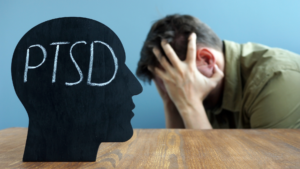
    Post-traumatic stress disorder (PTSD) is a mental health condition that can be triggered by any event or series of events that is life-threatening or highly stressful. It’s estimated that around 8% of the population experiences PTSD at some point in their lives, and it can affect people of all ages, genders, and races.

    In this blog post, we’ll discuss what PTSD is, its causes, who suffers from it, and the various treatments available. We hope that by reading this article you will have a better understanding of PTSD and what you can do if you or a loved one experiences it.

    Post-Traumatic Stress Disorder Explained

    PTSD is one mental health condition that can usually develop after exposure to any traumatic event, such as a rape, car accident, or military combat. PTSD can persist even if the person no longer experiences the original trauma. PTSD causes increased anxiety and fear, as well as physical symptoms like insomnia, headaches, and stomach pain. In some cases, PTSD can cause problems with memory and concentration.

    PTSD is common in people who have experienced a traumatic event. It affects about 8% of Americans who have experienced a traumatic event in their lifetime, and it’s more common in women than in men. About 25% of people with PTSD also experience depression.

    PTSD can be life-threatening if not treated properly. Individuals with PTSD often rely on a combination of therapy, medication, and alternative treatments to manage their symptoms effectively. Traditional therapies, such as cognitive-behavioral therapy (CBT) and eye movement desensitization and reprocessing (EMDR), are commonly used to help individuals process their trauma and develop coping strategies. For those looking for support, professionals like this online therapist can offer valuable assistance in navigating the challenges of PTSD. These professionals can provide a range of approaches that are tailored to your needs and help you regain control of your lives. Seeking help from a qualified therapist can be the first step towards healing and rebuilding a fulfilling life.

    In addition to conventional treatments, some people explore alternative solutions, such as ibogaine treatment rosarito (and the like elsewhere). This approach is believed to help reduce the intensity of PTSD symptoms by facilitating profound introspection and emotional release.

    Causes of PTSD

    PTSD is a mental health disorder that can be caused by any number of traumatic events. It’s most common among military personnel who have been involved in combat.

    PTSD is characterized by intense fear and anxiety that lasts for at least six months after the original trauma. It can interfere with your ability to function normally, and you may experience nightmares, flashbacks, and uncontrollable crying. If left untreated, PTSD can lead to long-term problems like depression and addiction.

    Fortunately, there are specialized centres that can offer complete care and support for individuals suffering from PTSD. A trauma treatment center can provide a range of therapeutic approaches that are tailored to help people manage their symptoms and gain back control of their lives. Seeking help can be an important first step towards recovery and improving overall quality of life.

    There’s no one cause of PTSD, but it can be triggered by a variety of events. Some common causes include:

    • Combat: Exposure to violence, death, and destruction can lead to PTSD.
    • Sexual abuse: Rape or other types of sexual assault can cause intense fear and anxiety.
    • Child abuse: Witnessing violence or cruelty against a child can also lead to PTSD.
    • Natural disasters: A major earthquake, hurricane, or other terrifying events can trigger PTSD in people who are susceptible.
    • Accidents: Car accidents, fires, etc. can leave survivors with feelings of fear and trauma.
    • Terrorism: Experiencing a traumatic event like a terrorist attack can lead to PTSD.

    Treatment Options for PTSD

    There is no known cure for PTSD, but treatments can help people manage their symptoms. Some common treatments include different types of trauma therapy for PTSD, medications, and various stress management techniques.

    • Prolonged Exposure Therapy: PE will assist you in facing things that have been making you think of the traumatic experience. There are eight to fifteen sessions, with most lasting 90 minutes. Your therapist will teach you breathing exercises early on in treatment to reduce your anxiety as you reflect on what happened. You’ll later compile a list of the things you’ve been putting off and learn how to confront them one at a time. You’ll tell your therapist about the traumatic event at a subsequent appointment, after which you’ll go home and listen to a tape recording of yourself.
    • Cognitive Processing Therapy: CPT is a 12-week treatment program that entails weekly sessions that last 60 to 90 minutes. Your therapist will first discuss the traumatic occurrence with you and how it has affected your life as a result of your ideas about it. After that, you’ll describe what happened in great detail. This method assists you in examining the mental models of your trauma and developing new coping mechanisms.
    • Medications: With the use of medication, you can cease reflecting on what happened and responding to it, including experiencing nightmares and flashbacks. They may also assist you in adopting a more optimistic attitude on life and returning to feeling “normal.”
    • Stress Inoculation Training: SIT is a type of cognitive behavioral therapy. You may complete it alone or with others. You won’t need to describe what happened in great detail. The emphasis is largely on altering how you approach event-related stress.

    If you or a loved one is struggling with PTSD, please don’t hesitate to seek help. There are a variety of options available, and it’s important that you find the best fit for you.

  • Understanding the Risks and Benefits of Medication

    Understanding the Risks and Benefits of Medication

    Medication can be a tricky topic to navigate. On the one hand, treating injuries and illnesses is often necessary. Still, on the other hand, there are risks associated with taking medication that must be weighed carefully before making any decisions.

    In this blog post, we’ll discuss the risks and benefits of taking medication so that you can make an informed decision regarding your health.

    Types of Medication

    There are four main types of medication: prescription, over-the-counter, natural, and complementary. Each has risks and benefits that must be considered before taking any medication.

    Prescription medications can only be legally obtained with a doctor’s prescription. They are regulated by the Food and Drug Administration (FDA). They must undergo extensive testing before they are made available to the public.

    Prescription medications have many uses and can effectively treat severe medical conditions. However, they also come with a risk of side effects and other complications.

    Over-the-counter (OTC) medications can be purchased without a prescription. They are generally less potent than prescription medications and have fewer side effects.

    OTC medications can treat minor ailments such as headaches or colds. However, they should only be used to treat severe medical conditions after first talking to a doctor.

    Natural medications are those derived from plant or animal sources. They are not regulated by the FDA and have not undergone the same level of testing as prescription or OTC medications.

    They may be effective for treating certain medical conditions but can also have dangerous side effects. It is essential to talk to to your doctor before taking any natural medication.

    Complementary medications are those used in addition to conventional treatments, such as surgery or chemotherapy. They include herbs, vitamins, minerals, homeopathy, and other substances.

    These medications are not regulated by the FDA and may not be safe or effective. It is essential to talk to a doctor before taking any complementary medicines.

    Benefits of Taking Medication

    Medication has many benefits, including improved health and quality of life. However, it is essential to understand the risks and benefits of medication before starting any new medication. Here are some of the potential benefits of taking medication:

    Improved Health

    Medication can help improve our overall health by treating conditions that may otherwise go untreated.

    Quality of Life

    Medication can also improve our quality of life by relieving symptoms that may interfere with daily activities.

    Longer Life Expectancy

    Some medications can extend our life expectancy by treating severe medical conditions.

    Of course, there are also risks associated with taking medication. These risks include side effects, drug interactions, and dependency. Before starting any new medicine, weighing the risks and benefits is crucial.

    Risks Associated with Taking Medication

    There are risks associated with taking medication, even when prescribed by a doctor. These risks can include side effects, interactions with other drugs, and allergic reactions. It is essential for you to understand these risks before starting any medication.

    Side effects are the most common type of risk associated with medication. They can range from mild to severe and occur at any time during treatment.

    The most common side effects include headache, nausea, and fatigue. Some side effects go away after a few days, but others may last for weeks or longer.

    Interactions between medications can also be a concern. When two or more drugs interact, they can change how each one works.

    This can cause serious problems, including increased side effects or decreased medication effectiveness. Allergic reactions are another type of reaction that can occur when taking medication.

    Symptoms of an allergic reaction include hives, swelling, difficulty breathing, and chest pain. If we experience any of these symptoms after starting a new medication, stop taking the drug and seek medical help immediately.

    Another significant risk is being prescribed the wrong medication by a doctor. This can happen due to reasons like misdiagnosis, lack of proper medical history, or human error. Taking the wrong medication may not treat the underlying condition effectively and can lead to adverse reactions or complications from drug interactions.

    Taking the wrong medication can lead to serious side effects, putting the patient at risk of liver damage or life-threatening reactions. This kind of error may amount to medical malpractice, and the patient can seek legal action against the practitioner responsible. With the support of a skilled medical malpractice lawyer from firms like Schuerger Shunnarah Trial Attorneys (warfor214.com), patients can pursue compensation for the harm caused by negligence.

    For instance, lawsuits involving medications like Zantac have highlighted concerns about the long-term risks of certain drugs. Zantac, once a popular treatment for heartburn, has been linked to serious side effects, prompting many individuals to file legal claims. Legal cases of this nature often involve detailed investigations, extensive documentation, and medical evidence to establish the link between the drug and the alleged harm.

    Also, how long will the zantac lawsuit take? What compensation might be available? And how can individuals gather strong evidence to support their claims? Addressing these questions can help individuals better understand the legal process and make informed decisions about pursuing justice.

    The Role of Medication in Treating Injuries

    Medication can be an essential part of the treatment of injuries. Still, it is crucial to understand the risks and benefits before using any medication.

    Over-the-counter (OTC) medications may provide some relief from pain and swelling, but they can also have side effects. Some prescription medications can help reduce inflammation and pain but may also have serious side effects.

    Talking to a doctor about all the risks and benefits before starting any medication is essential. Moreover, having a complete understanding of your healthcare coverage can impact your treatment choices.

    For instance, when exploring Medicare Plans in Minnesota, it can be important to know which medications are covered and how they align with your needs. This ensures that you’re not only aware of the potential side effects but also have access to the most suitable treatment options.

    Alternatives to Taking Medications

    Many alternatives to taking medications include lifestyle changes, supplements, and natural remedies. Lifestyle changes such as eating a healthy diet, getting enough exercise, and reducing the stress often help to improve symptoms.

    Supplements such as omega-3 fatty acids, magnesium, and probiotics can also be helpful. Natural remedies such as acupuncture, meditation, and yoga can also treat various conditions.

    It is crucial to speak with a doctor before making any changes to ensure they are safe and effective for our particular condition.

    Self Medicate Responsibly and Honestly

    Medication can be a powerful tool in maintaining and improving our health, but it’s just as important to understand the risks and side effects that can come with it. And, if something goes wrong or you start experiencing harmful effects from a prescribed medication, don’t wait! Seek medical attention right away.

    And while focusing on your recovery, remember that you also have the right to hold those responsible accountable. A licensed doctor is expected to prescribe medication with care and accuracy, and when that trust is broken, the consequences can be serious. If you or someone you love has been affected by a prescription error, it’s worth speaking to a personal injury attorney in Indianapolis, or elsewhere. They can help you stand up for your rights and guide you through the process of seeking justice.

    We hope this article has provided insight into these risks and benefits and why we must discuss any medications we are considering with a doctor. Remember, knowledge is power – when armed with information on potential side effects and possible interactions with other drugs or foods, we can make an informed decision about whether or not a particular medication is right for our needs.

  • Medical Marijuana For ADHD

    Medical Marijuana For ADHD

    Attention Deficit Hyperactivity Disorder (ADHD) affects millions of people worldwide, making it one of the most common neurodevelopmental disorders. It can be challenging to manage symptoms such as impulsivity, hyperactivity, and inattention with traditional treatments alone.

    However, there is growing evidence that medical marijuana could provide a viable alternative for individuals struggling with ADHD.

    In this blog post, we will explore the potential benefits and risks of using cannabis as a treatment option for ADHD and what recent research has shown us about its effectiveness. So sit tight as we dive into the world of medical marijuana for ADHD!

    What is ADHD?

    ADHD, or Attention Deficit Hyperactivity Disorder, is a neurological disorder that affects roughly 5% of the world’s population. While there is no cure for ADHD, there are treatments that can help manage the symptoms. These medications can have side effects like anxiety and insomnia.

    Medical marijuana is an effective treatment for ADHD without the negative side effects of stimulant medications. Cannabis can help improve focus, reduce hyperactivity, and increase concentration. CBD oil is especially beneficial as it does not have the psychoactive effects of THC.

    Along with medical treatments, lifestyle changes can help those with ADHD manage their symptoms. Exercise, healthy eating, and getting enough sleep are all important steps to take when managing ADHD. Mindfulness activities such as yoga, tai chi, and meditation can also be beneficial.

    The Link Between ADHD and Medical Marijuana

    Although the use of medical marijuana for ADHD is not yet backed by science, many anecdotal reports suggest that it can be an effective treatment for the condition. Some people with ADHD find that marijuana helps to improve their focus and concentration, as well as reduce impulsivity and hyperactivity.

    There is still much research to be done on the potential link between ADHD and medical marijuana, but the current evidence suggests that it could be a promising treatment option for some people with the condition.

    It is important to note, however, that medical marijuana should never be used without the recommendation and supervision of a qualified healthcare provider. Additionally, it is important to note the possible risks associated with using marijuana, including the potential for addiction and other negative side effects.

    Pros and Cons of Using Medical Marijuana for ADHD

    There are several pros and cons to using medical marijuana for ADHD. Some of the pros include that medical marijuana can help to reduce anxiety and hyperactivity in people with ADHD, it can improve focus and concentration, and it can also help to improve sleep.

    Additionally, medical marijuana is relatively safe when compared to other medications used to treat ADHD, with a low risk of overdose or serious side effects. However, there are also some potential drawbacks to using medical marijuana for ADHD.

    These include the fact that it is not FDA-approved for treating this condition, so there is limited research on its effectiveness. Additionally, marijuana can have some psychoactive effects which could worsen symptoms in some people with ADHD.

    Finally, it is important to note that medical marijuana is still illegal in many states, so access may be limited.

    How to Get Medical Marijuana for ADHD

    If your loved one has been diagnosed with ADHD, you may be wondering if medical marijuana can help. While there is no cure for ADHD, medical marijuana has been shown to help improve symptoms in some people.

    There are a few things to keep in mind if you’re considering medical marijuana for ADHD treatment. First, it’s important to talk to your doctor about whether it’s right for your loved one and to understand the risks and potential side effects. This also involves considerations regarding the method of consumption, as different methods can have varying effects and efficiencies.

    As an example, using a bong allows for direct inhalation, which can provide quick relief from certain symptoms due to the rapid absorption of cannabinoids into the bloodstream through the lungs. Additionally, bongs typically use water to cool and filter the smoke, which makes inhalation smoother compared to other forms of smoking. If you have a loved one who could benefit from medical marijuana for ADHD, gifting them a high-quality bong, such as this percolator bong, could be a thoughtful gesture to support their treatment and well-being. Just be sure your loved one knows how to use it properly, including understanding how to fill a double perc bong, if applicable, for maximum filtration and cooling. This ensures they can enjoy a smoother, more comfortable experience with each use.

    If you have decided to try medical marijuana for ADHD, there are a few ways to get it. You can grow your cannabis plants, get it from a friend or family member who grows their own or buy it from a dispensary. Dispensaries are businesses that sell cannabis products legally.

    Make sure you do your research before buying cannabis from a dispensary. Not all dispensaries sell high-quality products. Some may even sell products that aren’t safe to use. Opting for medical marijuana as part of your ADHD medication regimen requires careful consideration and guidance, preferably from a healthcare provider knowledgeable in cannabis treatments. Additionally, it’s essential to verify the legal status of cannabis in your area and choose dispensaries that are reputable (like the one linked here) and compliant with local regulations.

    Marijuana dispensaries can offer much more than just the sale of legal cannabis products. They often serve as valuable educational resources for patients, providing information on the different strains, consumption methods, dosages, potential benefits and risks associated with cannabis use. This empowers patients to make informed decisions about their treatment. Additionally, many dispensaries act as hubs, connecting patients with other healthcare resources and support networks. This can include referrals to healthcare professionals specializing in medical cannabis, support groups or online communities.

    And lastly, some dispensaries may even offer complementary or alternative therapies alongside cannabis products, such as acupuncture, massage therapy, or yoga classes. These holistic approaches can support patients in managing their overall health and well-being. If you happen to live in the vicinity of this marijuana dispensary emeryville, it may be worth checking it out to explore the various resources and services it can provide. Alternatively, you can explore other dispensaries in your local area.

    Remember that if you want to try medical marijuana for ADHD, it’ll be a good idea to first talk to your doctor and then, you can do your research to find a safe and reputable source for it.

    So, the use of medical marijuana for ADHD is a highly debated subject with no clear answer. On one hand, there are potential benefits in terms of symptom relief and improved quality of life. On the other, long-term research is needed to understand the risks associated with using this drug regularly.

    Ultimately, it’s important to discuss your options carefully with your healthcare provider before making any decisions about treatment plans involving medical marijuana for ADHD.

  • How to Boost Your Immune System Naturally: Tips and Tricks

    How to Boost Your Immune System Naturally: Tips and Tricks

    Are you tired of constantly falling sick and relying on medications to keep yourself healthy? It’s time to take charge of your health and boost your immune system naturally! A strong immune system not only protects you from infections but also improves your overall well-being. Fortunately, there are several simple yet effective ways to enhance your immunity naturally. In this blog post, we’ll share some valuable tips and tricks that can help you strengthen your body’s defense mechanism and stay healthy all year round. So, let’s dive in!

    What Is The Immune System?

    The immune system is a network of cells, tissues, and organs that work together to protect the body from infection. The first line of defense against foreign invaders is the skin and mucous membranes, which form a physical barrier to keep harmful microbes out. If these barriers are breached, the next line of defense is the innate immune system, which consists of nonspecific (general) defenses that work against all types of pathogens. These include physical barriers like stomach acid and enzymes, as well as cellular defenses like natural killer cells and macrophages. The third line of defense is the adaptive immune system, which produces specific antibodies that target specific pathogens.

    The main function of the immune system is to protect the body from infection. However, it also has other important functions, such as helping to remove damaged or abnormal cells from the body, producing inflammatory molecules that help to heal tissue damage, and playing a role in allergies and autoimmune diseases.

    Natural Immune Boosting Foods And Supplements

    Several natural immune-boosting foods and supplements can help strengthen your body’s defenses and ward off infections. Some of the top options include vitamin C, zinc, probiotics, garlic, green tea, and medicinal mushrooms, such as these elderberry & mushroom gummies. These nutrients and supplements can play a vital role in supporting your immune system and maintaining overall health. Below, there is a detailed description of each of these options:

    • Vitamin C: This essential vitamin is known for its immune-boosting properties. You can find it in citrus fruits, bell peppers, broccoli, and kale. Consider adding a vitamin C supplement to your daily routine to help keep your immune system strong.
    • Zinc: This mineral is important for immune function and can be found in foods like oysters, beef, chicken, and beans. If you’re deficient in zinc, consider taking a supplement to ensure your body has enough of this important nutrient.
    • Probiotics: These beneficial bacteria help support gut health, which is important for overall immunity. You can find probiotics in yogurt, sauerkraut, kimchi, and other fermented foods. You can also take a probiotic supplement to get the benefits of these helpful microbes.
    • Garlic: This pungent herb has antimicrobial properties that make it great for fighting off infections. Add garlic to soups, sauces, stir-fries, and other dishes for a boost of flavor and health benefits.
    • Green tea: Green tea contains antioxidants that can help protect cells from damage and promote healthy immune function. Enjoy a cup of green tea daily to reap the benefits, or take green tea extract in supplement form.
    • Medical Mushrooms: Medical mushrooms offered by mycodium and its counterparts can offer potential benefits in boosting the immune system through their rich array of bioactive compounds. One key component is beta-glucans, found in varieties like Reishi, Shiitake, and Maitake. These polysaccharides can stimulate immune cells, enhancing their activity and improving the body’s ability to identify and combat pathogens. Additionally, the polysaccharides present in mushrooms can contribute to immune regulation, ensuring a balanced response.

    Exercise And Stress Management For A Healthy Immune System

    Exercise is a great way to reduce stress and promote a healthy immune system. It’s important to find an activity that you enjoy and make it a part of your routine. A moderate amount of exercise is the key to reducing stress and boosting your immune system.

    There are many different ways to exercise, so find one that works for you. Some people prefer to go for a run or take a brisk walk, while others may enjoy yoga or Pilates. Whatever you choose, make sure you’re getting at least 30 minutes of exercise most days of the week.

    In addition to exercise, there are other lifestyle changes you can make to reduce stress and promote a healthy immune system. Getting enough sleep, eating a healthy diet, and managing your stress levels can all help boost your immunity.

    Sleep And Good Hygiene Habits To Strengthen Your Immunity

    One of the best ways to keep your immune system strong is to get enough sleep. Most people need around 7-8 hours of sleep per night. If you’re not getting enough sleep, your body doesn’t have time to recover from the day and repair itself. This can lead to a weakened immune system.

    To boost the quality of your sleep, following a good sleeping habit is important. Not scrolling on any electronic gadgets 1 hour prior to your bedtime can help you sleep faster. Also, having a light meal for dinner can contribute to better sleep without causing any digestive issues at night.

    Furthermore, sleeping on a freshly washed bed sheet can provide a clean and hygienic space for you to enjoy a sound sleep. Additionally, make it a practice to periodically inspect your mattress to ensure it remains free from insects and bed bugs. Their bites can significantly disrupt your sleep pattern. If you find yourself in such a situation and feel the need for pest control for your mattress, you can trust Aptive Pest Control CO services (if this is where you are located) to address the issue.

    It is equally important to invest in a good-quality mattress to promote better sleep. Choosing a cheap or low-grade mattress can result in severe joint or back problems, particularly for individuals on the heavier side. A mattress that lacks proper support may lead to discomfort and joint issues, ultimately disrupting your sleep. To avoid such problems, consider exploring and then purchasing the best mattresses for heavy people or any other options that suit your body’s needs, for that matter.

    In addition to getting enough sleep, good hygiene habits can also help boost your immunity. Washing your hands regularly, especially before you eat, helps remove bacteria and viruses that can make you sick. Avoiding close contact with people who are sick will also help reduce your risk of becoming ill.

    Tips For Avoiding Illness

    There are a few key things you can do to avoid getting sick:

    • Wash your hands regularly and often, especially before you eat.
    • Avoid touching your face.
    • Stay away from sick people.
    • Exercise regularly.
    • Eat a healthy diet full of fruits, vegetables, and protein.
    • Get enough sleep.

    With the right combination of lifestyle habits, diet, and nutrition, you can give your immune system a much-needed boost. We’ve shared some tips on how to do this today; from getting enough sleep to eating plenty of fruits and vegetables, making these changes could be just what you need to keep your body in tip-top condition. Try incorporating the tips we’ve discussed into your daily routine and see how it helps!

  • Managing Pain: Understanding the Different Types of Medications

    Managing Pain: Understanding the Different Types of Medications

    Pain is an unavoidable part of life that affects everyone in some form or another. Understanding the different types of medications available to treat and manage pain can help each one make informed decisions about the best course of action for one’s condition, whether it’s a headache, a broken bone, or something more serious.

    People may opt for many different types of treatment when it comes to pain management. Taking pills or medication to alleviate pain is something that some people do as a last resort, as they may not trust the side effects. Some alternative treatments that could work, depending on the specific problem, are exercise, specific diets, visiting a massage therapist, and practicing yoga.

    If the pain persists, however, it may be necessary to visit a healthcare professional to get the right treatment and medication. In this blog post, we’ll discuss the different types of medications used to manage pain and how they can be combined to achieve the best results.

    Over-the-Counter Pain Medication

    There are many different types of over-the-counter pain medication available to manage pain. The most common pain medication type is aspirin, an anti-inflammatory medication.

    Other common over-the-counter pain medications include acetaminophen, ibuprofen, and naproxen. These medications work by reducing inflammation or swelling in the body.

    Aspirin is the most common over-the-counter pain medication. It is often used to treat headaches, muscle aches, and arthritis pain. Acetaminophen is another common over-the-counter pain medication used to relieve pain from headaches, muscle aches, toothaches, menstrual cramps, and arthritis. Ibuprofen and naproxen are two other types of over-the-counter pain medication that work by reducing inflammation.

    These medications are generally safe when taken as directed. Still, it is important to read the label and follow the dosage instructions. If unsure which type of medication to take, speak with a doctor or pharmacist to get advice on what is best for one’s needs.

    Prescription Pain Medication

    Prescription pain medications are an important part of managing pain. There are different types of prescription pain medications, and it is important to understand the differences.

    Opioids are a type of prescription pain medication that can be used to treat moderate to severe pain. Opioids work by binding to opioid receptors in the brain and spinal cord, which reduces the perception of pain. Opioids can be addictive and should only be used as prescribed by a doctor.

    Non-steroidal anti-inflammatory drugs (NSAIDs) are another type of prescription pain medication. NSAIDs work by reducing inflammation, which can help to reduce pain. NSAIDs can cause side effects such as stomach upset, so they should be used as prescribed by a doctor.

    Acetaminophen is another type of prescription pain medication that can be used to treat mild to moderate pain. Acetaminophen reduces the production of prostaglandins, which are chemicals that contribute to pain and inflammation. Acetaminophen is generally safe when used as directed. Still, it can cause liver damage if taken in large doses or with alcohol.

    Prescription cannabis medication is another popular type used to treat various kinds of pain. These medications are prescribed by healthcare professionals for conditions such as chronic pain, neuropathic pain, and certain neurological disorders. If you have a prescription for medical cannabis, you can explore reputable sources such as an online dispensary or a shop nearby to access a variety of cannabis products tailored to your specific medical needs. However, it’s essential to use medical cannabis as directed by your healthcare provider to ensure safe and effective pain management.

    Many other prescription pain medications are available, and it is important to talk to a doctor about which one may be right for one’s needs.

    Topical Pain Medication

    There are a variety of topical pain medications available over-the-counter or by prescription. Topical pain medications are applied directly to the skin. They are often used to treat arthritis, back pain, and muscle pain.

    Some common topical pain medications include:

    Arthritis creams and gels

    These medications can help reduce inflammation and joint pain.

    Muscle rubs

    These ointments or creams can help soothe muscle aches and pains.

    Topical analgesics

    These products contain menthol or capsaicin that can temporarily relieve pain.

    Before using any topical medication, it’s important to read the label carefully and follow its directions. Some topical medications are unsuitable for broken skin or open wounds. Be sure to talk to a doctor if there are any questions about using a topical pain medication.

    Complementary and Alternative Therapies

    Many complementary and alternative therapies (CATs) can be used to manage pain. Some CATs, such as acupuncture, have been used for centuries. Others, such as mindfulness-based stress reduction, are more recent. Recently, people have also turned to CBD products as a method for pain alleviation. Similarly, some may source high-quality kratom from a store like My Kratom Club (and similar others) as an alternative to morphine and other opioids.

    CATs can be divided into three broad categories:

    1. Those that work by changing the way the body experiences pain (such as acupuncture or massage);
    2. Those that work by changing the way the mind experiences pain (such as hypnosis or cognitive behavioral therapy); and
    3. Those that work by changing how the body responds to pain (such as exercise or biofeedback).

    Research on the effectiveness of CATs is ongoing. Still, there is some evidence that certain CATs can be helpful for certain types of pain.

    For example, acupuncture is known for its effectiveness in chronic low back pain and headaches. Massage may be helpful for tension headaches and neck pain. And cognitive behavioral therapy is helpful for fibromyalgia.

    Before trying any CATs, it is important to speak with a healthcare provider to ensure they are safe and appropriate.

    Take the Pain Away with the Right Pain Management Strategy

    Managing pain is a complex task that requires a multifaceted approach. Understanding the different types of medications available and how they work is crucial in making informed decisions about taking on a pain management plan.

    Consultation with a healthcare professional is important to determine the best treatment plan. Communication, being aware of red flags and warning signs, being mindful of potential risks and side effects, and being patient is important in managing pain.

  • Understanding Schizophrenia: A Guide to This Complex Mental Illness

    Understanding Schizophrenia: A Guide to This Complex Mental Illness

    Schizophrenia is a serious mental health condition that affects how a person thinks, feels and behaves. Although many people have heard of schizophrenia, misconceptions about the condition remain common. Symptoms and support needs can vary significantly, and schizophrenia does not affect everyone in the same way.

    This guide explains the principal symptoms, possible contributing factors, diagnostic process and treatment options. It also considers how family members and friends can support someone living with the condition.

    What Is Schizophrenia?

    Schizophrenia is a chronic mental health condition that can affect a person’s perception of reality, thought processes, emotional expression and ability to manage everyday activities. Symptoms may occur continuously or in episodes, and their severity can change over time.

    There is no single known cause of schizophrenia. Research suggests that several factors may contribute, including genetics, differences in brain development and environmental influences. Having a family history of schizophrenia may increase a person’s likelihood of developing the condition, but it does not mean that they will necessarily do so.

    Stressful experiences and the use of certain psychoactive substances may also be associated with the onset or worsening of psychotic symptoms in some people. However, these factors do not explain every case, and diagnosis should always be made by a qualified healthcare professional.

    Signs and Symptoms of Schizophrenia

    The symptoms of schizophrenia are commonly grouped into psychotic, negative and cognitive symptoms. The combination experienced will differ from person to person.

    Psychotic symptoms affect how a person interprets reality. They can include hallucinations, delusions and disorganised thinking or speech. Hallucinations involve seeing, hearing or feeling things that other people do not perceive. Delusions are strongly held beliefs that are not supported by available evidence, such as believing that one is being watched or followed.

    Negative symptoms involve a reduction in abilities or behaviours that would usually be present. A person may have difficulty expressing emotion, maintaining motivation, experiencing pleasure or participating in social activities. These symptoms should not be mistaken for laziness or a lack of interest in recovery.

    Cognitive symptoms can affect attention, memory, organisation, decision-making and the ability to process information. A person may find it difficult to concentrate on a task, remember recent events or plan everyday activities.

    Diagnosing Schizophrenia

    There is no single blood test, scan or questionnaire that can independently diagnose schizophrenia. A diagnosis is based on a comprehensive assessment of the person’s symptoms, medical history, substance use, daily functioning and the length of time the symptoms have been present.

    A clinician may also carry out physical examinations or request tests to rule out medical conditions, medication effects or substance-related causes that could produce similar symptoms. The assessment may consider symptoms such as:

    • Delusions: Strongly held beliefs that remain despite clear evidence to the contrary.
    • Hallucinations: Hearing, seeing or feeling things that other people do not perceive.
    • Disorganised speech or thinking: Difficulty organising thoughts or communicating in a coherent way.
    • Disorganised or markedly unusual behaviour: Behaviour that interferes with ordinary activities or appears inappropriate for the situation.
    • Negative symptoms: Reduced emotional expression, motivation, speech or social engagement.

    Under commonly used diagnostic criteria, signs of the condition must generally persist for at least six months, including a period of prominent symptoms. The precise requirements are more detailed than a simple symptom count, so self-diagnosis is not appropriate.

    Treatments for Schizophrenia

    Although there is no single treatment that suits everyone, many people can manage their symptoms and improve their quality of life with appropriate, continuing care. A treatment plan may combine medication, psychological support, practical assistance and education for family members.

    Antipsychotic medication may help reduce symptoms such as hallucinations, delusions and disorganised thinking. Different medications can produce different benefits and side effects, so treatment should be prescribed and monitored by a qualified medical professional. A person should not stop taking prescribed medication suddenly without discussing it with their clinician.

    Psychological and behavioural treatments can also play an important role. Cognitive behavioural therapy may help a person understand and respond to distressing thoughts or experiences. Skills training, supported education or employment, family education and coordinated specialty care may also help people work towards personal, social and practical goals.

    Treatment is often most effective when it is personalised and supported by regular follow-up. Early professional assessment is particularly important when psychotic symptoms first appear.

    Schizophrenia and Co-Occurring Substance Use

    Some people living with schizophrenia also experience difficulties involving alcohol or other drugs. Substances may be used in an attempt to cope with distressing symptoms, sleep problems, isolation or medication side effects. In other cases, substance use may worsen existing symptoms, interfere with prescribed treatment or make diagnosis more complicated.

    When schizophrenia and a substance use disorder occur together, both conditions should be assessed rather than treating one in isolation. Coordinated care can help clinicians understand how the conditions interact and develop a plan that addresses mental health, substance use, medication, physical wellbeing and ongoing support.

    People exploring professional help for co-occurring mental health and substance-use concerns can review the treatment information available through legacyhealing.com. The most appropriate setting and level of care should be determined through an individual clinical assessment.

    Supporting Someone With Schizophrenia

    Family members and friends can provide valuable support by listening without judgement, learning about the condition and encouraging continued engagement with professional care. It is generally more helpful to acknowledge the person’s distress than to argue directly about a hallucination or delusion.

    Practical support may include helping with appointments, creating predictable routines and watching for significant changes in sleep, behaviour, medication use or substance use. Carers should also pay attention to their own wellbeing and seek support when needed.

    Conclusion

    Schizophrenia is a complex condition, but effective treatment and meaningful recovery are possible. Medication, psychological therapies, practical assistance and support from family or community services can help people manage symptoms and pursue their personal goals.

    Greater understanding can also reduce stigma. A person living with schizophrenia should be treated with dignity and recognised as an individual rather than defined by a diagnosis. Anyone experiencing possible symptoms should seek an assessment from a qualified mental health professional.

  • A Beginner’s Guide To Obsessive-Compulsive Disorder

    A Beginner’s Guide To Obsessive-Compulsive Disorder

    Obsessive-Compulsive Disorder (OCD) is a mental disorder that affects millions of people worldwide. It’s often referred to as the “stupid disease,” because people with OCD can find it difficult to explain what’s wrong with them. But don’t let that scare you – OCD can be treated effectively with medication and therapy.

    In this blog post, you’ll learn everything you need to know about the obsessive-compulsive disorder: what it is, how to treat it, and the symptoms to watch out for.

    What is Obsessive Compulsive Disorder?

    Obsessive-compulsive disorder is a mental disorder that affects how a person thinks, feels, and behaves. People with OCD may have persistent and intrusive thoughts (obsessions) that cause them significant anxiety. These thoughts may be about dangerous or disgusting things, or about very specific, often trivial details in one’s life. The fear of having these thoughts or performing the rituals can be so overwhelming that people with OCD often find it difficult to function normally.

    Symptoms of OCD

    Obsessive-Compulsive Disorder is a mental disorder characterized by intrusive and repetitive thoughts, images, or behavior that cause significant distress or impairment. It can be debilitating and can often be treated with therapy and medication.

    The most common symptoms of OCD are severe anxiety and obsessions, which are thoughts or images that the person cannot get rid of. These thoughts may concern specific objects, situations, or rituals. The person may feel compelled to perform certain rituals in order to ease their anxiety or stop the obsessions from occurring. Other common symptoms of this disorder include repeated checking of locks, counting, hand wringing, and other repetitive behaviors. People with OCD often feel great stress when these rituals are not performed properly or when they are interrupted.

    Obsessive-compulsive disorder can have complex causes, but there is some evidence linking OCD to potential nutritional deficiencies. For example, some research suggests OCD may be associated with inadequate levels of vitamin D, zinc, iron, and magnesium. Assessing your nutritional status can be an important step. Getting baseline testing of your micronutrient levels through bloodwork or undergoing methylation genetic testing can help identify any deficiencies or imbalances that may contribute to OCD symptoms. Of course, nutrient testing and genetic screening should be discussed as part of a comprehensive wellness plan overseen by your healthcare provider. Identifying and addressing any underlying deficiencies through diet, lifestyle, and possibly supplements may help mitigate OCD. Discuss these options with your doctor to determine if nutritional deficiency could be a contributing factor in your OCD.

    OCD can interfere with normal life functions and relationships. It is important to seek professional help if you are experiencing any of the signs and symptoms of obsessive-compulsive disorder.

    How OCD is Diagnosed

    OCD is a mental disorder that is characterized by obsessions and compulsions. To be diagnosed with OCD, a person must have at least one obsession and at least one compulsion. Some common obsessions include fearing that something bad will happen, having repetitive thoughts or images, or feeling like something is chasing them. Compulsions can involve washing your hands excessively, checking to see if the door is locked, or counting certain numbers. If you think you may have obsessive-compulsive disorder, it’s important to talk to your doctor. They can help rule out other possible causes of your symptoms and give you the best possible treatment plan.

    How to Treat Obsessive-Compulsive Disorder

    People with OCD often feel like their thoughts or behaviors are always important, but they can’t control them. There is no one-size-fits-all approach to treating it, but there are many things you can do to help improve your symptoms. Here are a few tips:

    Talk About Your Symptoms With Someone You Trust

    Talking about your thoughts and feelings with someone you trust can be very helpful in managing OCD. This person can provide support and guidance as you work to manage your symptoms.

    Avoid Triggers And Overspending

    Avoiding triggers and overextending yourself can also help reduce the frequency of OCD symptoms. Try not to worry excessively about things that don’t matter and avoid situations where you might feel overwhelmed or anxious.

    Go for Medications and Alternative Treatments

    If prescribed medication is effective for managing your symptoms, take it as prescribed by your doctor. Many people find that medications such as SSRIs (selective serotonin reuptake inhibitors) or TCAs (tricyclic antidepressants) are very helpful in reducing the severity and frequency of their OCD symptoms. In addition to medication, some individuals have explored alternative treatments such as Exposure and Response Prevention (ERP), or Transcranial Magnetic Stimulation (TMS) provided by healthcare providers like telapsychiatry, which has shown promise in alleviating OCD symptoms when recommended by a medical professional.

    Seek Social Support

    Social support can be very helpful in managing OCD. Find people who you can talk to about your thoughts and feelings and who will support you through your struggles. There are also support groups available for people with OCD. Whether you’re currently living with it or want to learn more about it, there’s plenty of information available online.

    Additionally, consider visiting an OCD clinic in brisbane or in your local area to receive professional therapeutic support. These clinics could offer specialized resources and guidance tailored to your needs, including options like Cognitive Behavioral Therapy and other therapeutic approaches. Seeking help from trained professionals is particularly important if you find your symptoms overwhelming, as it could complement the social support you receive and provide you with valuable tools to navigate your challenges more effectively.

    Ultimately, obsessive-compulsive disorder can be a difficult condition to live with, but with the help of professionals and friends, it can be manageable. In this article, we aim to provide you with all the information you need to start your journey toward recovery from it. We hope that by reading this guide, you will feel more equipped to deal with OCD symptoms and eventually lead a fulfilling life free from obsessive thoughts.