
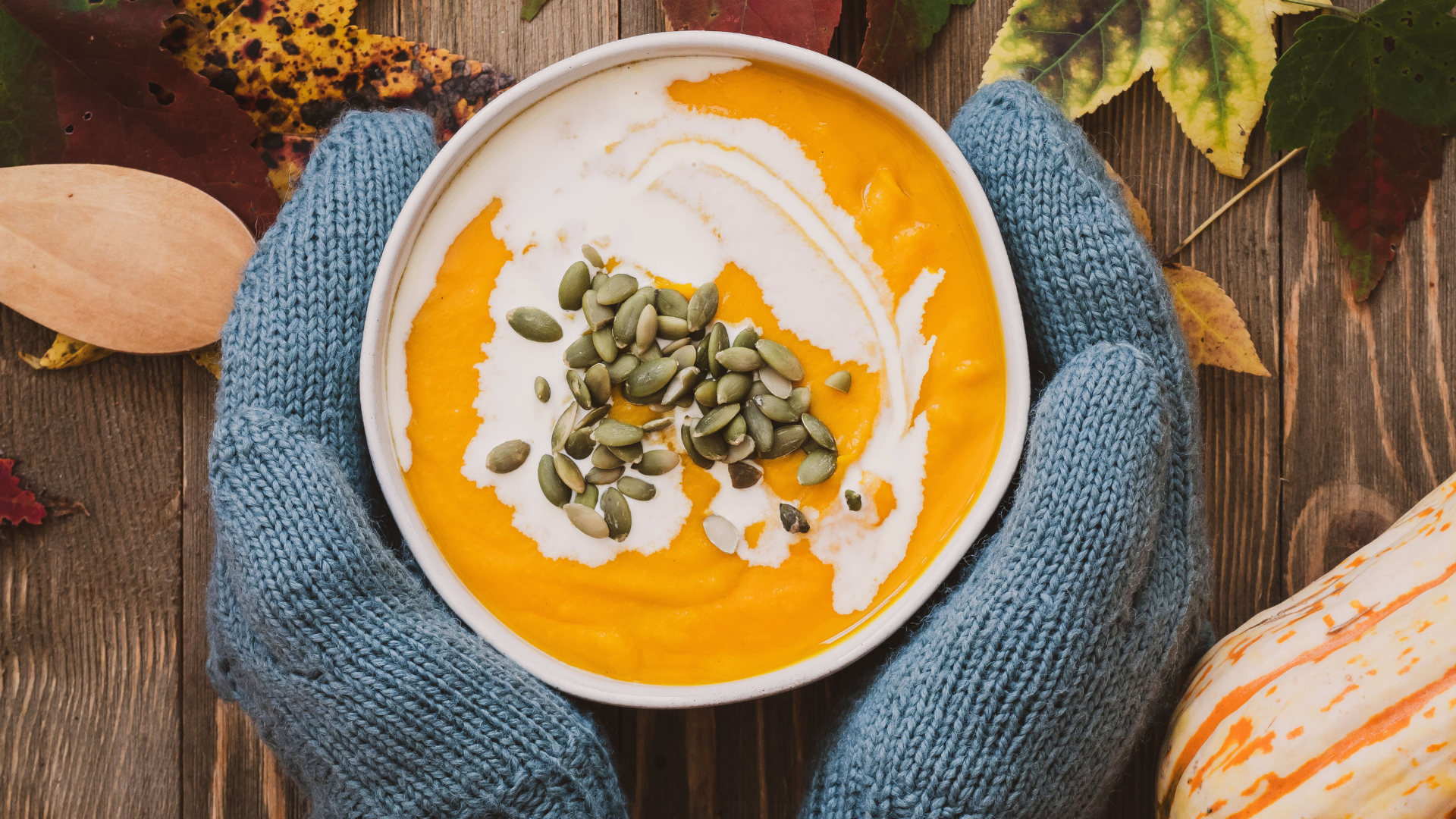
Comfort food often evokes memories of warmth and satisfaction, offering both nourishment and a sense of connection. Creatively incorporating healthier ingredients can redefine these beloved dishes without sacrificing flavor or comfort. This approach allows for the enjoyment of classic meals while supporting a balanced lifestyle.
Exploring modifications to traditional recipes can make a significant difference in health without losing the essence of comfort food. Using whole grains, fresh vegetables, and lean proteins can elevate favorites like macaroni and cheese or hearty stews. Health-conscious choices empower individuals to indulge without guilt.
As the demand for healthier versions of classic meals rises, finding innovative recipes will be key to satisfying cravings. Adopting a fresh perspective on comfort food ensures that it remains a source of joy while promoting overall well-being.
Understanding Comfort Food and Its Healthier Alternatives
Comfort food plays a significant role in emotional well-being. By examining its characteristics and exploring healthier versions, one can appreciate how to enjoy these dishes without compromising health.
What Makes Food Comforting
Comfort food often evokes nostalgia and warmth. It typically relates to personal or cultural experiences, offering a sense of familiarity and security. This category includes dishes associated with childhood memories or family gatherings.
Common elements that contribute to the comforting nature of food include:
- Flavor: Rich, savory, or sweet flavors often evoke pleasure.
- Texture: Creamy, crunchy, or hearty textures enhance the sensory experience.
- Temperature: Warm foods provide a sense of coziness and satisfaction.
These factors create an emotional connection, driving individuals to seek out these foods during stressful situations.
Common Ingredients in Traditional Comfort Foods
Traditional comfort foods utilize specific ingredients that are often rich and hearty. Some common ingredients include:
- Dairy products: Cheese, cream, and butter add richness and flavor.
- Carbohydrates: Pasta, rice, and bread provide satisfying bulk.
- Proteins: Meats, poultry, and legumes deliver both flavor and satiety.
While these ingredients contribute to the taste and satisfaction, they can be high in calories, fat, and sodium. Understanding these components helps in identifying healthier alternatives.
Challenges of Creating Healthy Comfort Foods
Transforming traditional comfort foods into healthier options poses a few challenges. The goal is to retain flavor and satisfaction while reducing unhealthy elements.
Key challenges include:
- Flavor Preservation: Reducing sugar or salt can diminish the overall taste, making it essential to find natural flavor enhancers like herbs and spices.
- Textural Changes: Substituting ingredients may alter the desired texture; finding alternatives that mimic this is vital for maintaining appeal.
- Cultural Significance: Many comfort foods are deeply tied to cultural practices, making substitutions feel inauthentic.
Navigating these challenges requires creativity and a balanced approach to modifying classic dishes.
Healthy Twists on Classic Comfort Foods
Comfort foods can maintain their nostalgic flavors while incorporating healthier ingredients. Making smart swaps and adjustments allows for delicious nutrition without sacrificing taste or satisfaction.
Nutritious Ingredients and Smart Swaps
Incorporating nutritious ingredients can transform traditional comfort foods. For instance, replacing white pasta with whole grain or legume-based pasta boosts fiber content. Additionally, swapping out cream in sauces for Greek yogurt creates a creamy texture with added protein.
Other smart swaps include using cauliflower rice instead of regular rice for lower calories and carbs. Opting for leaner meats such as turkey or chicken in recipes like meatballs provides healthier protein sources. Finally, including vegetables in hearty dishes can increase volume without adding excessive calories.
Portion Control and Balanced Meals
Portion control plays a crucial role in enjoying comfort foods healthfully. Using smaller plates can help control serving sizes, allowing for a satisfying meal without overindulgence. Additionally, balancing meals with protein, healthy fats, and carbohydrates is essential.
For example, combining a small serving of macaroni and cheese with a side salad ensures a more balanced meal. Incorporating vegetables like spinach or zucchini into pasta dishes can enhance nutrients while keeping portion sizes in check. Understanding how much to serve helps maintain a healthier approach to classic comfort foods.
Popular Recipes With a Healthy Twist
Several classic comfort food recipes can be adapted for a healthier approach. For example, vegetable-loaded chili can provide rich flavors while adding fiber and nutrients. Using lean ground turkey or beans as protein alternatives enhances the dish.
Another favorite is baked sweet potato fries, which deliver a satisfying crunch while being lower in calories compared to traditional fries. Lastly, a cauliflower-crust pizza offers a gluten-free option that does not compromise on taste. These recipes revamp comfort food favorites into healthier, enjoyable meals.
Cooking Methods for Healthy Comfort Food
Selecting the right cooking methods can greatly enhance the healthiness of comfort food. Utilizing techniques such as slow cooking, baking, grilling, and steaming helps retain nutrients while minimizing unhealthy fats.
Benefits of the Slow Cooker
The slow cooker is a versatile tool for preparing healthy comfort foods. It allows flavors to meld over time, resulting in rich-tasting dishes without the need for excessive oils or fats.
Using a slow cooker can maintain the integrity of vegetables, pulses, and lean proteins. This method is particularly beneficial for tougher cuts of meat, which become tender and flavorful through long and slow cooking.
Additionally, slow cookers promote one-pot meals, reducing cleanup and preparation time. Meals can be set in the morning and enjoyed later, making it perfect for busy lifestyles. Options like soups, stews, and chili are excellent for crafting healthy, hearty meals.
Baking, Grilling, and Steaming Options
Baking is a healthier alternative to frying, resulting in crispy textures without added oils. By roasting or baking vegetables, individuals can amplify flavors and nutrients while enjoying a comforting side dish.
Grilling not only adds a delightful smoky flavor but also allows excess fats to drip away from meats. This method is suitable for everything from chicken to veggies, improving overall health without sacrificing taste.
Steaming preserves nutrients better than boiling, making it ideal for vegetables. This technique keeps produce vibrant and crisp, enhancing the comfort of vegetable-centric dishes.
Combining these methods ensures diners can enjoy wholesome comfort food that satisfies both their nutritional needs and cravings.
Maintaining a Healthy Lifestyle With Comfort Food
Balancing comfort food with healthy choices can enhance overall well-being. Focusing on mindful eating and effective meal planning allows individuals to enjoy their favorite dishes without compromising health.
Mindful Eating Techniques
Mindful eating encourages individuals to pay attention to their food and recognize hunger and fullness cues. By slowing down during meals, they can savor flavors and textures, which enhances satisfaction.
Key techniques include:
- Eliminating distractions: Turn off screens and sit down at the table.
- Chewing slowly: This helps with digestion and gives the brain time to register fullness.
- Portion control: Using smaller plates can help manage serving sizes effectively.
Practicing these techniques helps create a healthier relationship with food, transforming comfort meals into nourishing experiences.
Meal Planning and Preparation Tips
Meal planning is essential for incorporating healthy comfort foods into daily diets. Preparing meals in advance reduces the temptation to opt for unhealthy options.
Consider these tips:
- Plan the week’s meals: Include a variety of comfort food recipes made with whole ingredients.
- Batch cooking: Prepare multiple servings at once for easy access throughout the week.
- Explore substitutions: Use ingredients like whole grains, lean proteins, and fresh vegetables to enhance traditional comfort foods.
By creating a strategic meal plan, individuals can enjoy comforting dishes while maintaining a healthy lifestyle.