Anxiety can present various symptoms, from rapid heartbeats to overwhelming feelings of dread. Many seek effective and quick methods to manage these feelings in the moment. Breathing techniques stand out as accessible tools that can help reduce anxiety fast.
Practicing specific breathing exercises can trigger the body’s relaxation response, providing immediate relief. These techniques can be employed anywhere, making them a convenient option for those facing anxiety in daily situations. By learning to control their breath, individuals can create a sense of calm and regain focus.
Incorporating these strategies into a daily routine can significantly improve mental health over time. With just a few minutes each day, anyone can harness the power of their breath to manage anxiety symptoms effectively.
Understanding the Link Between Breathing and Anxiety
Breathing plays a crucial role in influencing anxiety levels and regulating the body’s nervous system. Specifically, the way one breathes can either heighten anxiety or foster a sense of calm. Recognizing these connections can empower individuals to manage their anxiety effectively.
How Breathing Affects the Sympathetic Nervous System
The sympathetic nervous system (SNS) is responsible for the body’s “fight or flight” response. When a person feels anxious, the SNS activates, leading to physiological changes such as increased heart rate and blood pressure. Rapid, shallow breathing often accompanies this response. This type of breathing can send signals to the brain that exacerbate feelings of anxiety.
In contrast, deep and slow breathing sends counter-signals to the brain. It helps lower the heart rate and promotes a sense of safety. By understanding how breathing affects the SNS, one can begin to control their anxiety response.
Breathing’s Role in Activating the Parasympathetic Nervous System
The parasympathetic nervous system (PNS) is often referred to as the “rest and digest” system. It helps to calm the body after periods of stress. Engaging in slow, deep breathing techniques activates the PNS, inducing a state of relaxation.
During deep breathing, the diaphragm is engaged, which enhances oxygen exchange. This process helps lower cortisol levels and induce feelings of tranquility. Techniques such as diaphragmatic breathing can encourage the body to shift from a state of hyperarousal to one of calmness, promoting better mental health.
Impact of Breathing Techniques on Anxiety Level
Research indicates that specific breathing techniques can effectively reduce anxiety levels. Techniques such as box breathing, 4-7-8 breathing, and pursed lip breathing have shown promising results. These methods focus on controlling breath patterns and can quickly reduce tension and anxiety.
Studies highlight that practicing these techniques, even for a few minutes, can lead to significant reductions in anxiety symptoms. Implementing these techniques regularly can help individuals not only when feeling acute anxiety but also as a preventive measure for mental health maintenance.
Top Breathing Techniques to Reduce Anxiety Fast
Effective breathing techniques can help individuals achieve relaxation and calmness in moments of anxiety. The following methods focus on structured breathing practices that can be easily implemented in daily life.
Deep Breathing for Immediate Calm
Deep breathing is a straightforward technique that encourages full oxygen exchange. To practice, one should start by inhaling deeply through the nose, allowing the chest and abdomen to expand.
- Count to four during the inhalation.
- Hold your breath for a count of four.
- Exhale slowly through the mouth, also counting to four.
By repeating this cycle several times, individuals can activate the body’s relaxation response. This method can lead to decreased heart rate and lower blood pressure, promoting a sense of calm.
Square Breathing for Rapid Stress Reduction
Square breathing, also known as box breathing, is beneficial for quick stress relief. It involves visualizing a square while regulating breath.
- Inhale through the nose for a count of four.
- Hold your breath for another four counts.
- Exhale slowly through the mouth for four counts.
- Hold your breath again for four counts before starting over.
This rhythmic pattern helps the individual focus and center themselves, aiding in decreasing feelings of anxiety. The simplicity of the technique makes it accessible in various situations.
Meditation and Mindful Breathing Strategies
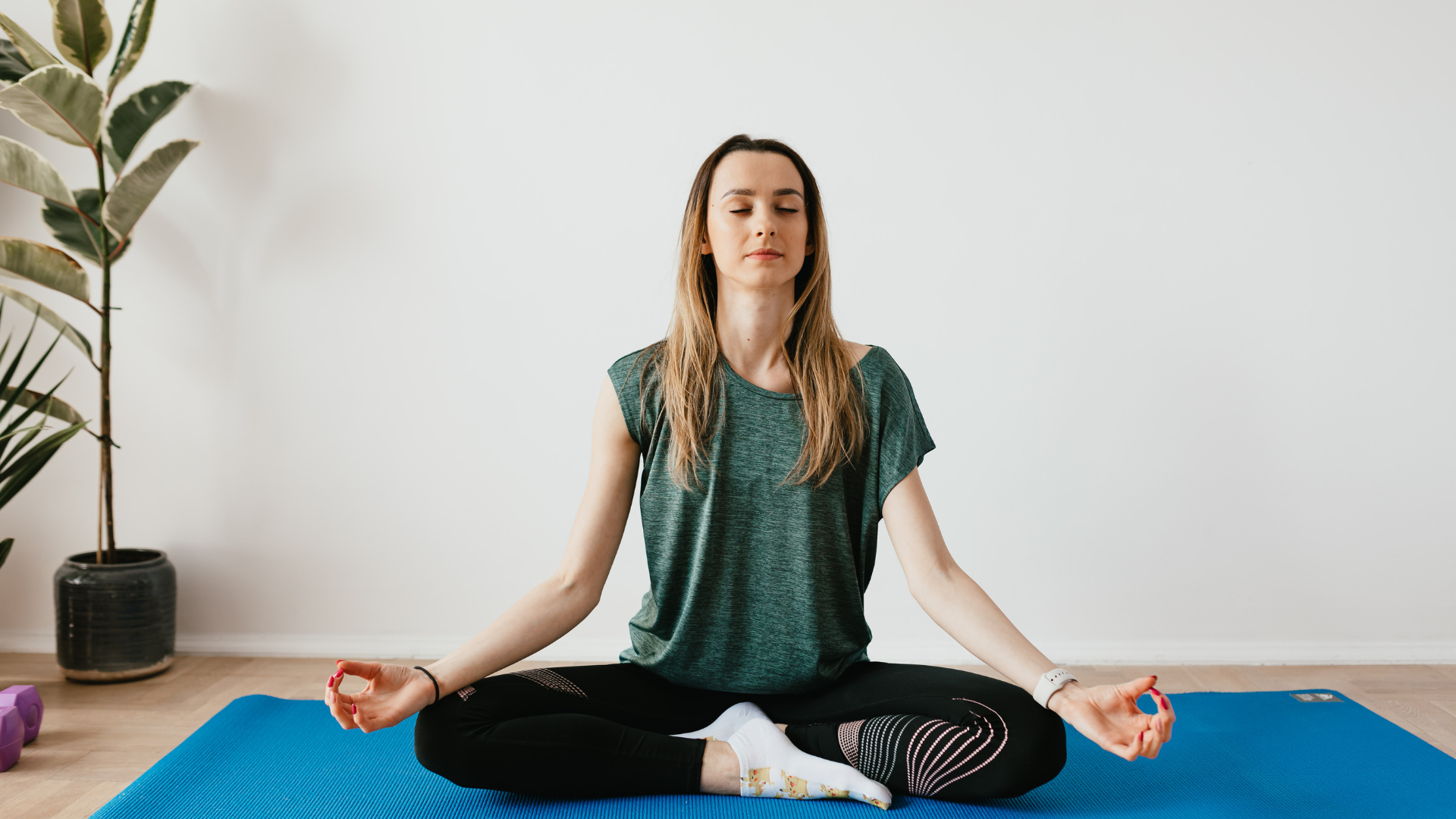
Meditation and mindful breathing involve focused breathing combined with mental awareness. Finding a quiet space, an individual can sit comfortably and concentrate on their breath.
- Inhale deeply, focusing on how the air enters the body.
- Exhale slowly, releasing tension.
Incorporating affirmations or mental imagery can enhance the experience. Regular practice can improve emotional regulation and serve as a powerful coping strategy during stressful moments. Mindfulness can lead to a heightened sense of control over anxiety.
Integrating Breathing Exercises Into Daily Life
Establishing a consistent routine for breathing exercises can effectively reduce anxiety and manage stress. Incorporating these techniques into daily life allows individuals to quiet the mind and develop essential coping strategies.
Setting Up a Relaxation Routine
Creating a relaxation routine starts with identifying a suitable time and place. Early mornings or quiet evenings can provide the ideal backdrop.
- Choose a Comfortable Space: Find a quiet area free from distractions. A comfortable chair or a mat on the floor can be effective.
- Set a Regular Schedule: Designate specific times for breathing exercises, such as after waking or before sleeping. Consistency helps reinforce the practice.
- Use Reminders: Setting alarms or using apps can remind individuals to take a few minutes each day to focus on their breath.
- Combine with Other Techniques: Integrating breathing exercises with meditation or gentle stretching can enhance relaxation.
This structured approach helps build a habit that will improve the ability to manage stress and anxiety over time.
Breathing Techniques During High-Stress Moments
During high-stress situations, immediate access to breathing techniques can be beneficial. Here are some methods to use:
- 4-7-8 Technique: Inhale through the nose for four seconds, hold for seven seconds, and exhale through the mouth for eight seconds. This helps calm the nervous system.
- Box Breathing: Inhale for four counts, hold for four, exhale for four, and pause for four. This technique offers a steady rhythm to focus on, promoting relaxation.
- Palm Breathing: Place one hand on the belly and the other on the chest. Focus on feeling the rise and fall of the breath, enhancing mindfulness.
These techniques can be practiced anywhere, making them valuable tools for managing anxiety in everyday life. Being prepared to use these strategies can empower individuals to respond effectively during stressful moments.
Breathing Techniques for Special Conditions
Breathing techniques can be tailored to accommodate individuals with specific health concerns such as asthma and depression. Understanding how these techniques can be adapted is vital for effective management.
Considerations for People With Asthma
For individuals with asthma, it is essential to choose breathing exercises that do not trigger symptoms. Techniques such as diaphragmatic breathing can be beneficial. This method encourages the use of the diaphragm rather than the chest, promoting stronger lung function.
Steps for diaphragmatic breathing:
- Sit comfortably and place one hand on the chest and the other on the abdomen.
- Inhale slowly through the nose, ensuring the abdomen rises while the chest remains still.
- Exhale gently through pursed lips, allowing the abdomen to fall.
This exercise can improve lung capacity and reduce anxiety without straining the respiratory system. It’s crucial to practice these techniques in a controlled environment and under medical supervision if necessary.
Breathing Practices to Support Depression Therapy
Breathing techniques also support therapy for depression by promoting relaxation and mindfulness. Box breathing is one effective technique. This involves inhaling, holding, exhaling, and holding again for equal counts, usually four seconds each.
Steps for box breathing:
- Inhale deeply through the nose for a count of four.
- Hold your breath for four seconds.
- Exhale slowly through the mouth for four seconds.
- Hold your breath out for another four seconds.
Engaging in this practice can decrease feelings of anxiety and enhance overall mental health. It is advisable for individuals to integrate these techniques into their daily routines in conjunction with professional therapy for the best results.