You want to bake with confidence, not guesswork. This guide breaks down the essential ingredients, must-have tools, and core techniques so you can start producing reliable, tasty results from your first attempts. You’ll learn the simple principles that make baking predictable—accurate measurements, proper mixing methods, and temperature control—so mistakes become solvable instead of discouraging.
They’ll show which pantry staples and a few reliable tools deliver the biggest impact, and which gadgets you can skip. Short, practical steps and clear best practices will make common recipes feel manageable and even enjoyable, whether tackling cookies, cakes, or quick breads.
Essential Baking Ingredients and Tools
This section lists specific ingredients and tools that make baking reliable and consistent. It highlights which flours, sugars, fats, leaveners, and measuring equipment a beginner should buy first.
Core Baking Ingredients Every Beginner Needs
Beginners should stock: all-purpose flour, granulated sugar, brown sugar, butter, eggs, salt, and vanilla extract. Those staples cover cookies, muffins, pancakes, and many basic cakes.
Keep both granulated sugar for structure and creaming, and brown sugar for moisture and caramel notes. Butter provides flavor and tenderness; measure it by weight or by stick markings for accuracy.
Add honey for recipes that call for a liquid sweetener and milk for hydration. Store ingredients in airtight containers; flour and sugar keep longer in a cool, dry pantry.
A small spice collection (cinnamon, baking spices) is useful but optional. Buying good-quality basics reduces the chance of a recipe failing due to inferior ingredients.
Must-Have Baking Tools and Equipment
Start with a set of measuring cups and spoons, a kitchen scale, and one or two mixing bowls in various sizes. Exact measurement beats estimation for consistent results.
Include a whisk, rubber spatula, and a wooden spoon for most mixing tasks. Add a hand mixer or stand mixer only when making frequent or large batches.
Essential bakeware includes a baking sheet, a loaf pan, and one 9-inch round or square baking pan. Nonstick or lined pans and parchment paper simplify cleanup and release.
An oven thermometer prevents under- or over-baking by verifying true oven temperature. Keep extra measuring tools and a cooling rack on hand for finishing.
Understanding Different Types of Flour
All-purpose flour is the most versatile choice for beginners; it works in cookies, muffins, pancakes, and many cakes. It balances protein content for structure and tenderness.
Cake flour has lower protein and a finer texture; it produces lighter, more delicate cakes and should be used for sponge-like batters. Substituting requires changing the liquid or using a recipe tested for the flour type.
Bread flour contains higher protein for strong gluten development; use it for yeast breads and some chewier pastries. Whole wheat flour adds flavor and fiber, but absorbs more liquid—adjust hydration.
Measure flour by weight with a kitchen scale for accuracy. If using measuring cups, spoon flour into the cup and level with a knife to avoid compacting.
Leavening Agents and Their Role
Baking powder and baking soda create lift in quick breads, cookies, and cakes; yeast leavens fermented breads. Choose the right leavener for the recipe’s method.
Baking soda requires an acid (buttermilk, yogurt, lemon juice) to activate and produces a fast rise and browning. Use it sparingly; too much leaves a soapy taste.
Baking powder contains an acid already; double-acting powder releases gas at mix time and again in the oven. Check freshness: a teaspoon in hot water should fizz vigorously.
Yeast (active dry or instant) ferments sugars over time, producing gas and flavor in bread. Proof active dry yeast in warm water; instant yeast can be mixed directly into dry ingredients. Store leaveners in a cool, dry place and replace them regularly for reliable results.
Fundamental Baking Techniques and Best Practices
Bakers should focus on clear recipe reading, accurate measuring, correct mixing, and proper oven use to get reliable results. Small habits—like weighing flour, preheating the oven, and not overmixing—prevent the most common mistakes.
How to Read and Prepare a Recipe
They read the entire recipe once before starting to avoid surprises. Note total time, baking temperature, ingredient order, and special equipment such as a stand mixer or loaf pan.
They gather and organize ingredients (mise en place), so butter is softened, eggs are at room temperature, and leavening agents are fresh. For recipes like sourdough, note the longer fermentation and starter feeding steps.
They convert measurements when needed and prefer weight (grams) for accuracy. Highlight timings where the recipe says “fold gently” or “do not overmix,” and mark any stages that require rests, chilling, or preheating.
Proper Measuring and Mixing Methods
They measure dry ingredients by weight or spoon-and-level teaspoons and cups for consistent results. Flour should be spooned into a cup and leveled or, better, weighed to avoid dense cakes.
They use liquid measuring cups for liquids and a scale for sticky ingredients like honey. For small quantities—baking powder, salt—use proper measuring spoons and ensure leaveners are fresh.
They match mixing methods to the recipe: cream butter and sugar until light for cakes, fold dry ingredients into wet for delicate batters, and knead for bread only until gluten develops. Avoid overmixing batters; stop when streaks disappear or a smooth dough forms. For stand mixer use, choose a paddle for cakes and a dough hook for kneading.
Using and Preheating Your Oven
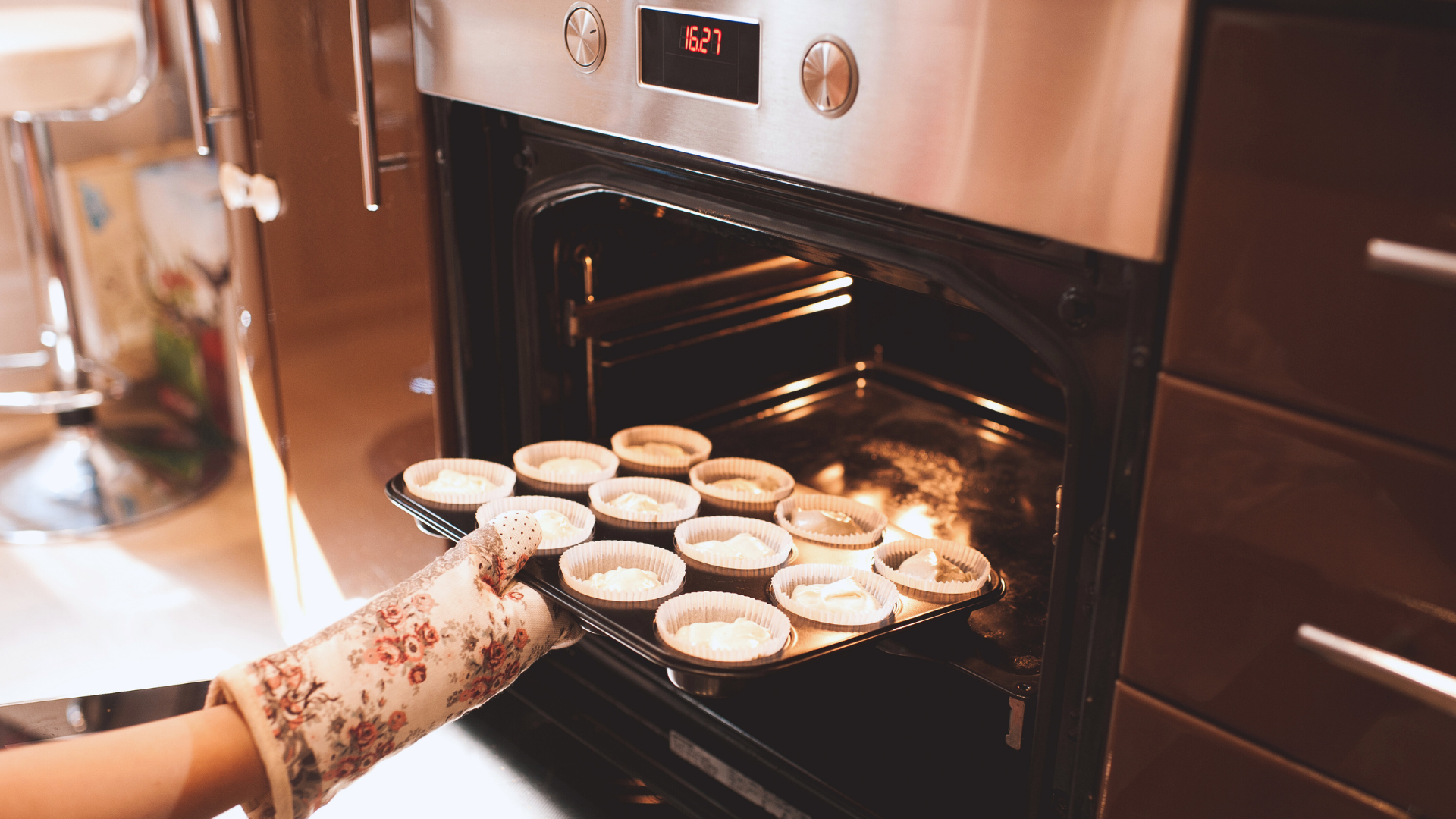
They preheat the oven fully to the recipe temperature before placing items inside; many ovens need 15–20 minutes to stabilize. Use an oven thermometer to confirm the actual temperature matches the setpoint.
They position racks based on what they bake: center for even cake rising, lower for crust development. Rotate pans halfway through baking for even browning if the oven has hot spots.
They understand temperature adjustments: lower by 25°F (≈15°C) for glass or dark pans, and reduce time slightly for high-altitude baking. If a recipe lists baking time, check doneness a few minutes early using a toothpick or internal temperature for breads.
Common Beginner Baking Mistakes to Avoid
They avoid substituting without checking how changes affect chemistry; for example, swapping oil for butter alters texture and moisture. Replacing ingredients without adjusting liquid or fat often yields poor results.
They don’t overmeasure flour or overmix batter; either leads to tough, dense baked goods. For yeast breads and sourdough, they don’t over-knead or underproof—watch for windowpane and proper rise.
They prevent uneven baking by preheating, using the correct pan size, and not crowding the oven. They avoid opening the oven door frequently during the critical first half of baking, which causes temperature drops and collapse.